
How Can I Prevent Leaf Miners?
Yes, leaf miners are preventable — sanitation, row covers, and picking off mined leaves handle most cases, and a systemic insecticide is rarely the right first move.
At a glance
- The verdict: A routine prevention job
- Category: Leaf-Pest ID & Environmental Factors
The short answer
Yes, leaf miners are preventable with simple, non-chemical steps. Because the larvae tunnel and feed inside the leaf, sprays reach them poorly once a mine appears, so the winning strategy is exclusion and sanitation: use floating row covers before adult flies are active, remove and trash (not compost) mined leaves, clean up debris where pupae overwinter, and inspect new plants before adding them to your garden. Leaf miner damage is mostly cosmetic on established plants, and broad-spectrum or systemic insecticides usually do more harm than good by killing the tiny parasitic wasps that already keep leaf miners in check.
The details, straight
Remove and destroy mined leaves
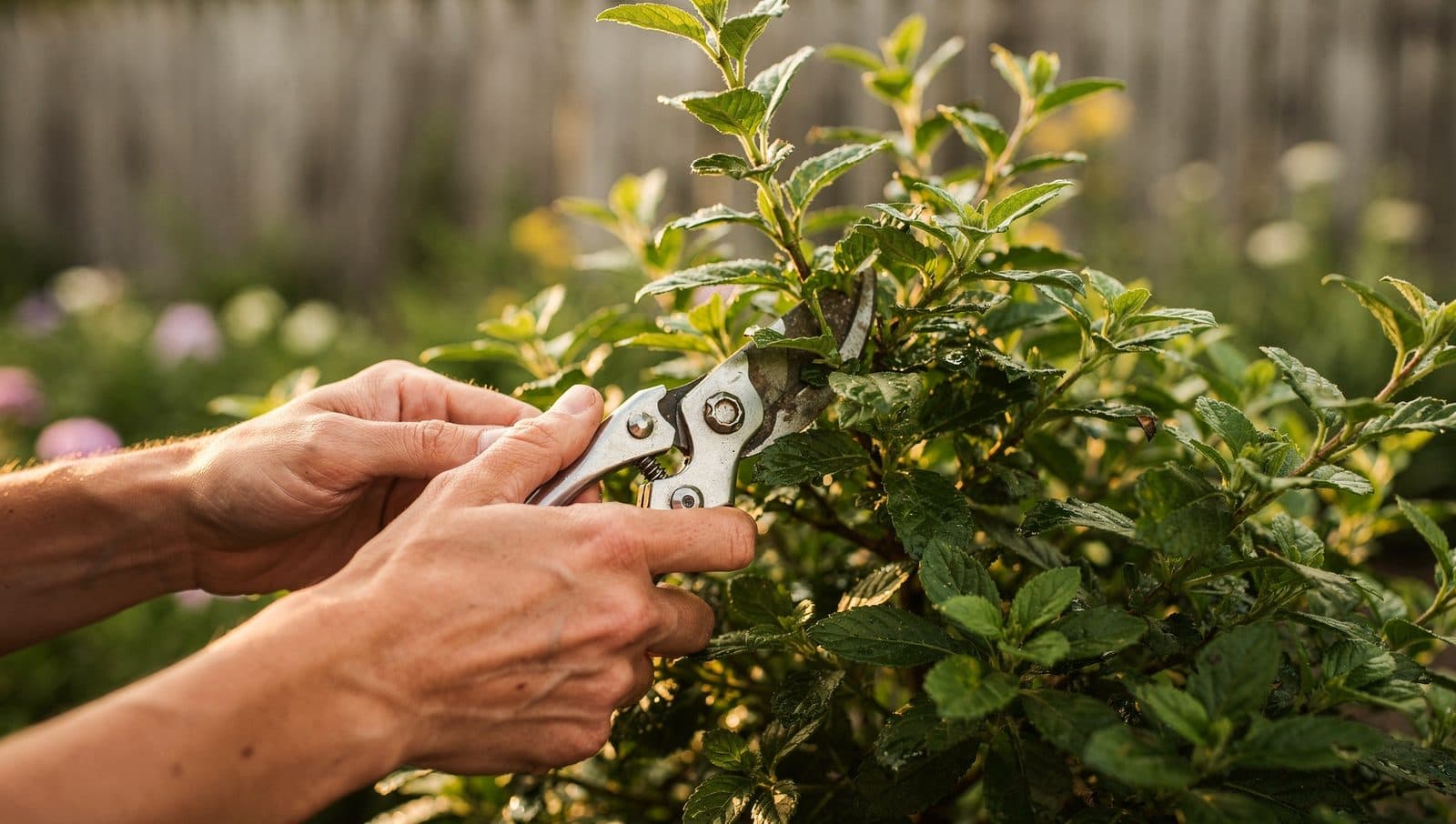
University of Minnesota Extension lists removing mined leaves as the first line of defense: the larva is trapped inside its own tunnel, so picking the leaf and trashing it — not composting it, since a home pile rarely gets hot enough long enough to kill the larva — removes the insect along with the damage. If you'd rather keep the leaf, you can pinch or crush the larva at the visible end of the tunnel instead. Either way, act as soon as you see the first pale, squiggly line; catching it early stops one larva from finishing its meal, dropping to the soil, and starting a new generation.
Row covers work — with one big caveat
Fine-mesh floating row covers physically block the adult flies and moths that lay leaf-miner eggs, and for many vegetable growers that's the single most effective preventive step. The catch: covers only work cleanly if the site was leaf-miner-free the year before. Leaf miner pupae overwinter in the soil, and a cover placed over ground that already harbors them simply traps the emerging adults underneath with your plants, defeating the purpose. Rotate to a new bed, or clean up debris and till the soil first, before relying on a cover.
Sanitation and rotation close the loop
Leaf miners also use common weeds — chickweed, lambsquarters, and pigweed among them — as alternate hosts, so clearing debris and weeds around the bed removes places for the population to persist between plantings. Tilling exposes overwintering soil pupae to weather and predators, and rotating susceptible crops to a different spot each year keeps emerging adults from finding a host nearby. New plants are also a common entry point: inspect anything you buy or receive as a gift for two to three weeks before it joins the rest of your garden or houseplant collection.
Why a systemic insecticide is usually the wrong call
It's tempting to reach for a systemic insecticide once you spot the tunnels, but University of Minnesota Extension is explicit that broad-spectrum products are the wrong tool here: 'Do not use broad-spectrum insecticides to treat leafminers. These products kill the natural enemies that keep leafminers in check.' Tiny parasitic wasps such as Diglyphus isaea already provide strong free control in most yards, and spraying wipes them out along with a mostly cosmetic problem — often making the next generation worse, not better. Save a stronger product for a genuinely severe, repeat infestation on a high-value plant, and get a confirmed identification first.
Key takeaways
- Sprays can't reach leaf-miner larvae once they're tunneling inside the leaf — sanitation and exclusion do the real work.
- Pick and trash (don't compost) mined leaves as soon as you spot the tunnel.
- Row covers only work if last year's site was leaf-miner-free — overwintering pupae will hatch underneath a cover.
- Broad-spectrum and systemic insecticides usually backfire by killing the parasitic wasps that control leaf miners for free.
- Inspect new plants for two to three weeks before adding them to your garden or houseplant collection.
Not sure it's actually leaf miners?
Squiggly tunnels usually mean leaf miners, but other symptoms get mistaken for them. Confirm the culprit before you plan a fix.
See what's really on your leavesA note for New Hampshire gardeners
UNH Cooperative Extension reports New Hampshire leaf miners typically appear on the first flush of new growth — birch, boxwood, and many vegetable crops are common hosts — so early-season monitoring from bud-break onward catches problems before they spread. UNH Extension's Insect & Arthropod Identification service can confirm a leaf-miner ID before you commit to a control plan, since the timing of egg-laying drives what works. Anchor Pest Services handles the structural and yard pests around your home, not garden leaf miners, but Extension is the authority to consult.
NH-licensed applicator #782664 (NHDAMF, RSA 430) · NEPMA member · family-owned since 2017.
Related questions
Sources(2)
- [1]University of Minnesota Extension — Leafminers
Sanitation, row-cover, and rotation prevention steps; warning against broad-spectrum insecticides killing natural enemies
extensionverified 2026-07-14 - [2]UNH Cooperative Extension — Insect & Arthropod Identification
Free NH insect/arthropod ID service for confirming a leaf-miner diagnosis
extensionverified 2026-07-14
Written & reviewed by
VerifiedDaniel Brady
NH-Licensed Pesticide Applicator · License #782664 (NHDAMF, RSA 430)
Daniel Brady is the New Hampshire–licensed applicator behind Anchor Pest Services, a family-owned pest control company serving the Manchester area since 2017.
Last updated 2026-07-14
Your next question
Honest pest help for New Hampshire homes
Leaf Miners Are Plant Care — Your Home Is Our Job
Preventing leaf miners is garden sanitation, and we'll always tell you so. Where Anchor Pest Services genuinely helps is the pests around your home — rodents, ants, ticks, and moisture pests drawn to leaf litter and debris against the foundation. Family-owned since 2017, NH license #782664, serving Manchester, Nashua, Concord and nearby towns.
- Identification first — a confirmed leaf-miner ID before any control step
- NH-licensed applicators (#782664) for the structural and yard pests we do handle
- Serving southern and central New Hampshire — free quote
NH License #782664 · No obligation · We answer in person
Your next step
- Related guide
What Insects Live on Tree Leaves?
Read the answer - Related guide
Can Leaf Pests Spread to My Home?
Read the answer - Related guide
Can Leaf Piles Attract Rats or Insects?
Read the answer - Related guide
Can Temperature Changes Cause Leaf Drop?
Read the answer - Related guide
What Insects Live Under Leaves?
Read the answer