
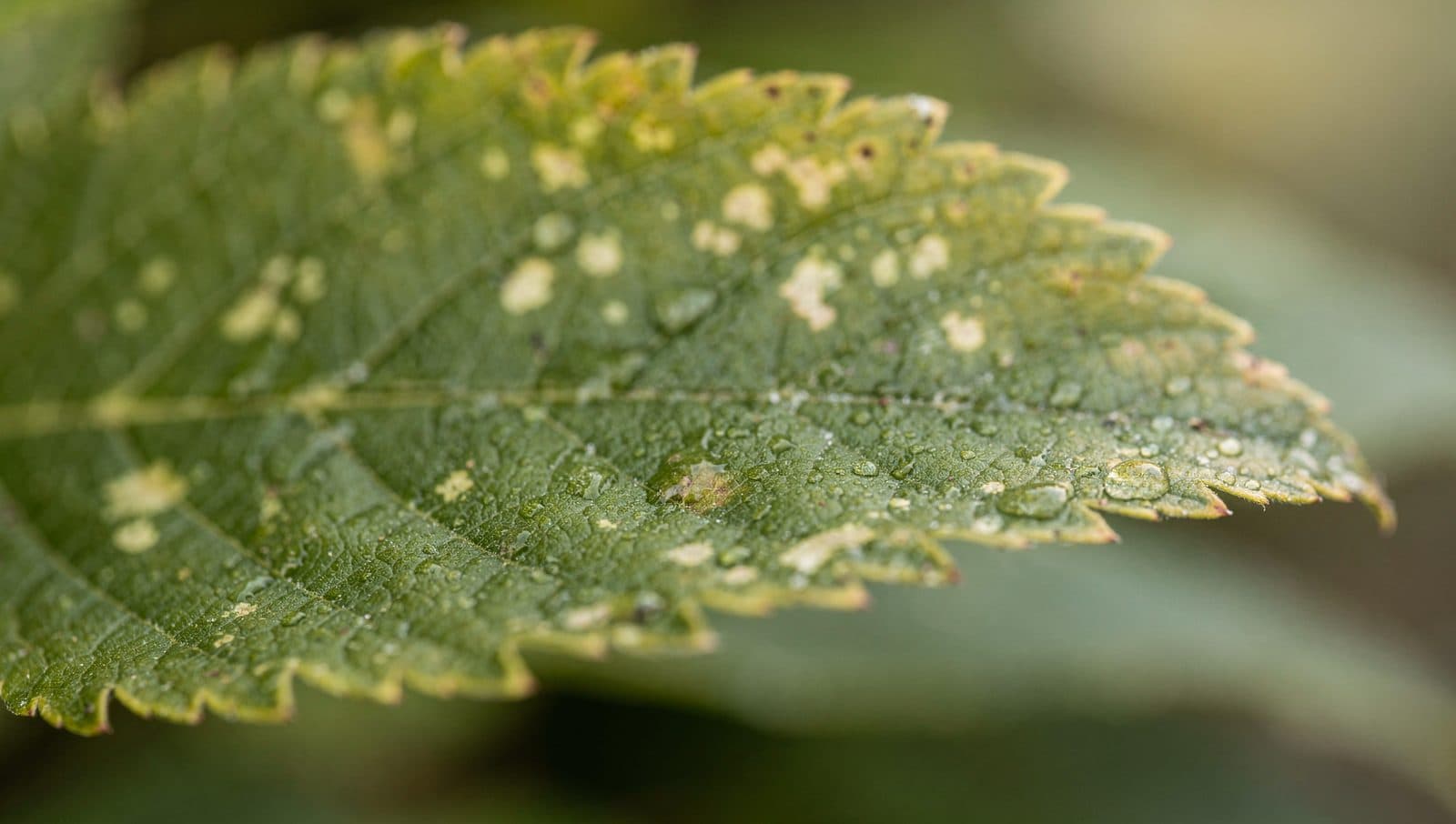
Why Do Leaves Fall Off Suddenly?
Sudden leaf drop is usually an environmental shock — a change in light, temperature, drafts, or watering, or a recent move or repot — not a pest.
At a glance
- The verdict: Usually a care issue
- Who fixes it: You
- Category: Leaf-Symptom Diagnosis (pest vs disease vs care)
The short answer
When a plant suddenly sheds a large number of leaves at once, the most common trigger is a stress or shock response to something that recently changed: a move to a new spot, a repot, a draft, a temperature swing, or a shift in watering. Vascular wilts and root rot are the leading disease look-alikes, since both interrupt water delivery badly enough to cause a rapid drop. A severe, established pest infestation can also trigger sudden drop, but it's the least likely cause and usually obvious well before the leaves start falling. The single most useful question is simply, 'what changed recently?'
Pest, disease, or how you're caring for it?
Most leaf problems aren't pests at all. Here's the honest split — the most likely cause, the less likely ones, and how to tell them apart before you treat anything.
- Care / environmentMost likelythe usual cause
Drop follows closely after an identifiable recent change, rather than building up gradually over weeks with other symptoms.
Moving the plant to a new location or repotting itA sudden change in light intensity, temperature, or draftsOverwatering, underwatering, or a significant watering-schedule changeLack of nitrogen or another sudden nutrient shiftThe tell:Ask what changed recently — a move, a repot, a cold draft, a heating vent turning on for the season. Shock-driven drop almost always has a clear recent trigger.
- Diseasea less common cause
Drop accompanies wilting, vascular streaking under the bark or stem, or mushy roots rather than a clean, shock-driven shed.
Vascular wilt diseases (Verticillium, Fusarium)Root rot from prolonged saturationThe tell:Check for wilting alongside the drop and, if a stem can be examined, streaking in the tissue just under the surface, or mushy roots on inspection.
- Pesta rare cause
Drop follows an obvious, heavy, visible infestation rather than appearing suddenly out of nowhere.
Severe, established infestations of sap-suckers or chewing insectsThe tell:A pest-driven drop comes with plainly visible insects, webbing, or feeding damage well before the leaves actually start falling.
Ask what changed recently — a move, a repot, a temperature or light shift, or a watering change almost always precedes a shock-driven drop. If nothing obvious changed, check for wilting and vascular streaking or root rot, and only then look for an established, visible pest infestation as the explanation.
Who actually fixes this?
Start here
You
Sudden leaf drop is overwhelmingly a stress response to a recent environmental change — stabilizing conditions and giving the plant time to acclimate resolves most cases.
- Garden center — You want guidance on acclimating a plant gradually after a move, or on watering correction.
- UNH Extension — You see wilting with vascular streaking or suspect root rot — UNH Cooperative Extension can help confirm a disease diagnosis.
- Certified arborist — The plant in question is an outdoor tree and the drop is widespread or paired with other signs of decline.
The details, straight
Why 'what changed recently' is the first question
Many common houseplants are notorious for reacting to almost any stress by shedding leaves, and the classic example extension programs cite is weeping fig (Ficus benjamina). Clemson Extension notes that weeping fig will 'seem to react to almost any stress by shedding leaves. Overwatering, under-watering, drafts, lack of nitrogen, and low light are all causes of leaf drop,' and that the plant 'often shed[s] leaves when moved to a new location or repotted.' The pattern generalizes well beyond ficus: a sudden, whole-plant drop very often follows a specific, identifiable change in the plant's environment or care within the past days or weeks.
Light, temperature, and draft changes
Iowa State University Extension's diagnostic guidance for houseplant problems lists a sudden change in light intensity or exposure to cold drafts as leading environmental triggers for leaf drop. This is why plants often shed leaves after being brought indoors for the winter, moved away from or closer to a window, or placed near a heating vent or an exterior door that lets in cold air. The plant isn't sick — it's adjusting to a genuinely different set of conditions, and new growth typically comes in adapted to the new environment once the shock passes.
When it's disease, not shock
Vascular wilt diseases and root rot are the more serious look-alikes for sudden leaf drop, and both interrupt the plant's ability to move water, which can cause a rapid, dramatic drop that resembles shock at first glance. The distinguishing signs are wilting that doesn't resolve with watering, and, if you can check, discoloration or streaking in the vascular tissue just beneath the stem's surface, or mushy, foul-smelling roots. These require a different response than simply stabilizing the environment — a diagnostic check from UNH Extension, or an arborist for an affected tree, is the right next step.
Ruling pests in or out
A severe, established pest infestation can cause enough stress to trigger sudden leaf drop, but this is the least common explanation and rarely a surprise — by the time an infestation is heavy enough to cause a sudden, dramatic drop, the insects, webbing, or honeydew are usually already obvious on close inspection. If a plant drops leaves suddenly and a thorough check finds no visible pests, no wilting or streaking, but a recent change in light, temperature, watering, or location, treat that recent change as the far more likely cause.
Key takeaways
- Ask 'what changed recently' first — a move, repot, draft, or watering shift almost always precedes shock-driven leaf drop.
- Many common houseplants, weeping fig especially, are known for shedding leaves in response to almost any stress.
- Wilting paired with vascular streaking or mushy roots points to disease, not shock — this needs a diagnostic check.
- Pest-driven sudden drop is uncommon and almost always comes with an already-visible, established infestation.
- Stabilizing the environment and giving the plant time to adjust resolves most cases — no product needed.
Not sure it's shock or disease?
Learn the five at-home checks that separate pests, disease, and care problems before you assume the worst.
See how to tell pest from diseaseA note for New Hampshire plant owners
Bringing plants indoors ahead of New Hampshire's first hard frost — roughly a 50% chance of 32°F by October 19 and an 80% chance by October 29 in the Manchester area, per Garden.org's NOAA-based frost data — is one of the most common seasonal triggers for sudden leaf drop, as the plant adjusts to lower light and drier indoor air. If wilting or vascular streaking suggests disease rather than shock, UNH Cooperative Extension's plant diagnostic services can help confirm it. Anchor Pest Services focuses on the structural and yard pests around your home, not the seasonal transition of your houseplants.
NH-licensed applicator #782664 (NHDAMF, RSA 430) · NEPMA member · family-owned since 2017.
Related questions
Sources(4)
- [1]Clemson Cooperative Extension — Weeping Ficus
Weeping fig shedding leaves in response to overwatering, drafts, low light, or being moved/repotted
extensionverified 2026-07-14 - [2]Iowa State University Extension — Diagnosing Houseplant Problems from Improper Environmental Conditions
Sudden changes in light intensity and cold drafts as leading triggers of leaf drop
extensionverified 2026-07-14 - [3]University of Connecticut Extension — Is Early Leaf Drop an Indicator of Tree Health?
Premature tree leaf drop as a stress response, most often related to water
extensionverified 2026-07-14 - [4]University of Missouri Extension — Snowbird Season for Houseplants
Leaf drop triggered by abrupt seasonal light changes when moving plants indoors/outdoors
extensionverified 2026-07-14
Written & reviewed by
VerifiedDaniel Brady
NH-Licensed Pesticide Applicator · License #782664 (NHDAMF, RSA 430)
Daniel Brady is the New Hampshire–licensed applicator behind Anchor Pest Services, a family-owned pest control company serving the Manchester area since 2017.
Last updated 2026-07-14
Your next question
Honest pest help for New Hampshire homes
Sudden Leaf Drop Is Plant Care — But Your Home Is Our Job
Helping a plant through a stress response is garden work, and we'll always tell you so. Where Anchor Pest Services genuinely helps is the pests around your home — rodents, ants, ticks, and moisture pests drawn to leaf litter and debris against the foundation. Family-owned since 2017, NH license #782664, serving Manchester, Nashua, Concord and nearby towns.
- We name sudden drop as shock or stress, not a phantom infestation
- New Hampshire license #782664 — free quotes, honest scope, no upsell
- Home and yard pest work across southern and central NH
NH License #782664 · No obligation · We answer in person
Your next step
- Book a NH pro
Pest Control Services
Licensed, family-owned pest control across southern NH.
Book now - Related guide
Can Temperature Changes Cause Leaf Drop?
Read the answer - Related guide
Why Do Leaves Turn Black After Watering?
Read the answer - Related guide
Why Are Tree Leaves Dropping Early?
Read the answer - Related guide
Why Are the Leaves on My Plants Turning Yellow?
Read the answer - Related guide
Why Are My Indoor Plant Leaves Sticky?
Read the answer