
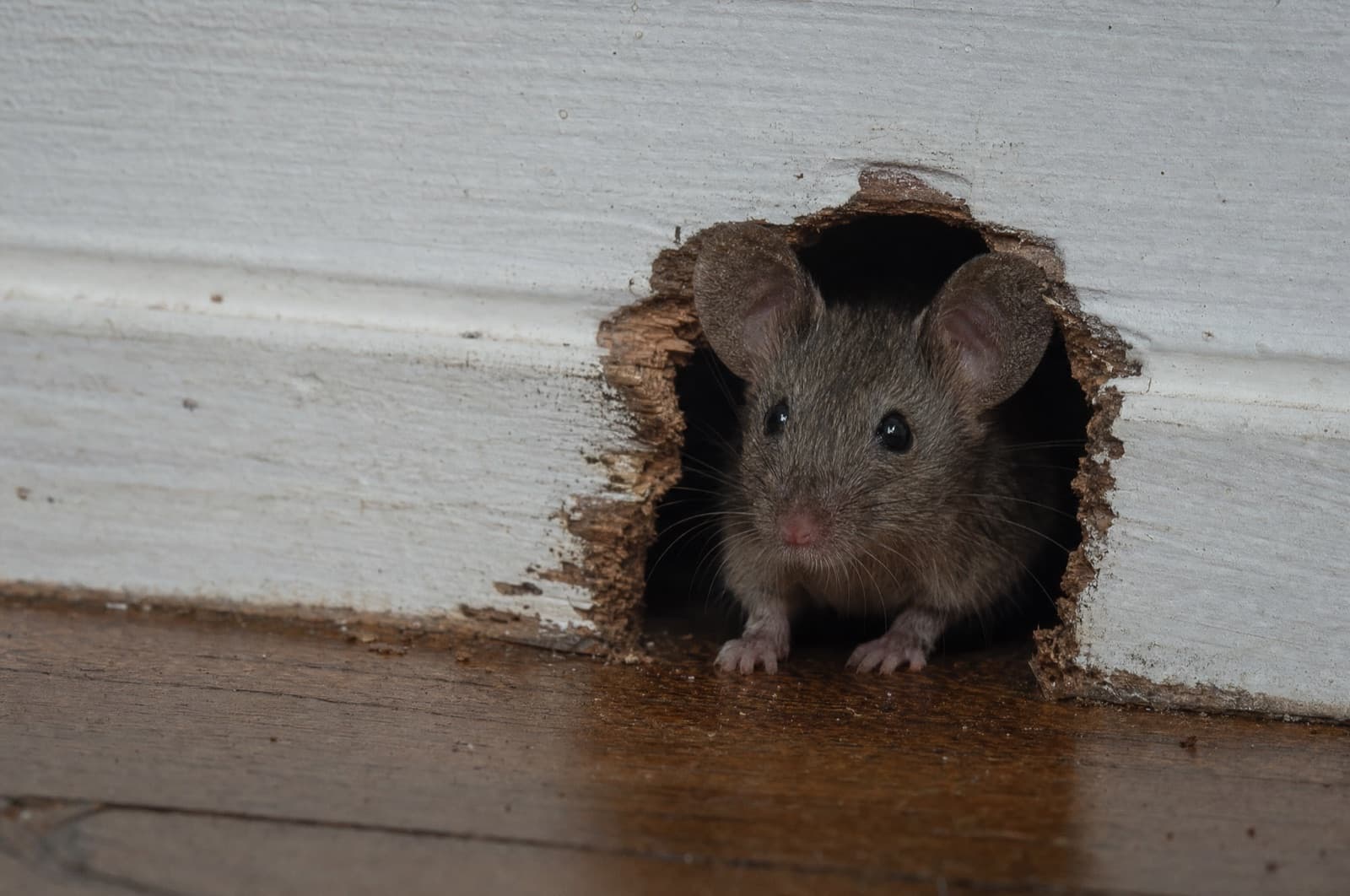
What is the difference between a mouse and a rat?

Don't wait - every day increases health risks and property damage. These aggressive pests multiply rapidly and spread dangerous diseases.

Professional elimination is the ONLY safe and effective solution. DIY methods fail 90% of the time and can make the problem worse.

24 Hours

Average response time

100%

Satisfaction guarantee

Call now for same-day, eco-friendly pest control

With over 20 years of experience, Anchor Pest offers personalized, chemical-safe quarterly subscriptions, protecting homes and businesses across Manchester and surrounding counties with ongoing peace of mind.

(603) 785-0118

Contact Us

What is the difference between a mouse and a rat?


Basic Difference Between a Mouse and a Rat


A mouse and a rat are both small rodents, but they are different species with clear distinctions. The main differences are in their size, appearance, behavior, and the ways they interact with humans and the environment. Understanding these differences helps you identify which animal you are dealing with, which is very important, especially for pest management, pet care, or even scientific research.


Physical Differences


  • Size: Mice are generally much smaller than rats. An adult mouse usually measures about 2.5–4 inches (6–10 cm) long, not counting the tail. An adult rat—most commonly the brown rat—measures 6–9 inches (15–23 cm) or more, with a much thicker body.
  • Head Shape: Mice have small, triangular heads, while rats have larger, blunter heads with a broader snout.
  • Ears: Mice have large ears compared to their head. Rats have smaller ears in proportion to their head size.
  • Tails: Mouse tails are long, thin, and hairy, usually about the same length as their bodies. Rat tails, on the other hand, are thicker, shorter in relation to body size, and mostly hairless with a scaly appearance.
  • Feet and Teeth: Rats have bigger feet and longer, thicker teeth than mice, allowing them to gnaw through much tougher materials.
  • Odor: Rats tend to be more odorous and have a stronger smell than mice, especially when many are living together.


Behavioral Differences


  • Activity and Movement: Mice are very curious, nimble, and will explore new things quickly. They can squeeze through very tiny spaces (as small as a pencil’s diameter). Rats, however, are more cautious and suspicious of new things (this is called "neophobia").
  • Nesting Habits: Mice prefer to build their nests close to their food sources, often inside walls, cupboards, or hidden corners. Rats often burrow, creating complex nesting systems underground or in solid structures. Roof rats may nest in higher places like attics or trees.
  • Feeding: Mice nibble and eat only small amounts at multiple places, but rats consume more and may haul food away to store it. Rats can survive on a wider variety of food, including meat, while mice stick more to grains and plants.
  • Social Behavior: Both mice and rats can live in groups, but rat groups are strongly hierarchical, with a clear pecking order. Mice are more flexible socially.


Reproductive Differences


  • Mice reproduce more quickly, have a shorter gestation period (about 19–21 days), and produce more litters per year than rats.
  • Rats take a little longer to mature and reproduce, but can still quickly infest an area if not controlled.


Lifespan and Intelligence


  • Mice generally live for about 1–2 years. Rats live 2–3 years, sometimes longer, depending on the species and environment.
  • Rats are considered more intelligent than mice and can learn complex tasks, which is why they are often preferred for scientific research and make popular pets for people wanting intelligent rodents.


Signs of Infestation


  • Droppings: Mouse droppings are small, about the size of a grain of rice, and pointed at the ends. Rat droppings are larger, thicker, and have blunt ends.
  • Damage: Rats make larger gnaw marks than mice and can chew through heavier materials like wood, plastic, and even soft metals. Mice typically make small, neat holes.


Interaction with Humans


  • Both can carry diseases and contaminate food, but rats generally pose a bigger risk due to their size and ability to spread more serious health threats.
  • Rats can be more aggressive and defensive if cornered, while mice are likely to flee quickly.
  • Both animals can be kept as pets, but they have different care needs. Rats are more social with humans and can be trained, while mice are smaller, faster, and can be more skittish.


Summary Table


Characteristic Mouse Rat
Size 2.5-4 inches, thin body 6-9+ inches, thick, heavy body
Tail Long, thin, hairy Shorter, thick, mostly hairless, scaly
Head Small, pointed nose Large, blunt nose
Ears Large for head size Small for head size
Behavior Curious, explores readily Cautious, suspicious of changes
Eating Habits Nibbles Eats more, stores food
Lifespan 1-2 years 2-3 years
Droppings Rice-sized, pointed Larger, blunt


Conclusion


In short, the biggest difference between a mouse and a rat is their size, but many other details—like the shape of their heads, tails, behavior, and habits—help you tell them apart. Mice are small, nimble, and curious, while rats are larger, stronger, and more cautious. Recognizing these differences helps in controlling or caring for these animals, knowing health risks, and even choosing them as pets. If you ever find one in your house, these traits will help you know exactly what you are dealing with.

Protect Your Family Today

Professional pest control eliminates troubles immediately. Our safe, effective treatments protect your loved ones from dangerous diseases.

Read More About Mice and Rats
FAQ: Common Questions Explained

How do I disinfect areas where rats were active?

Start by removing any contaminated materials and then use a disinfectant to clean surfaces. Pay attention to nesting areas and droppings. This page also covers safety precautions for effective disinfection.

Read More

Heading 1

Heading 2

Heading 3

Heading 4

Heading 5
Heading 6

Lorem ipsum dolor sit amet, consectetur adipiscing elit, sed do eiusmod tempor incididunt ut labore et dolore magna aliqua. Ut enim ad minim veniam, quis nostrud exercitation ullamco laboris nisi ut aliquip ex ea commodo consequat. Duis aute irure dolor in reprehenderit in voluptate velit esse cillum dolore eu fugiat nulla pariatur.

Block quote

Ordered list

  1. Item 1
  2. Item 2
  3. Item 3

Unordered list

  • Item A
  • Item B
  • Item C

Text link

Bold text

Emphasis

Superscript

Subscript

Are mouse droppings dangerous to touch?

Yes, mouse droppings can be dangerous to touch due to potential disease transmission. Always use gloves and a mask when handling contaminated areas. This page also covers cleaning protocols and prevention tips.

Read More

Heading 1

Heading 2

Heading 3

Heading 4

Heading 5
Heading 6

Lorem ipsum dolor sit amet, consectetur adipiscing elit, sed do eiusmod tempor incididunt ut labore et dolore magna aliqua. Ut enim ad minim veniam, quis nostrud exercitation ullamco laboris nisi ut aliquip ex ea commodo consequat. Duis aute irure dolor in reprehenderit in voluptate velit esse cillum dolore eu fugiat nulla pariatur.

Block quote

Ordered list

  1. Item 1
  2. Item 2
  3. Item 3

Unordered list

  • Item A
  • Item B
  • Item C

Text link

Bold text

Emphasis

Superscript

Subscript

Can I handle a large mouse infestation on my own?

No, handling a large mouse infestation on your own can be risky and ineffective. Professional exterminators can assess the situation and implement lasting solutions. This page also discusses warning signs and prevention strategies.

Read More

Heading 1

Heading 2

Heading 3

Heading 4

Heading 5
Heading 6

Lorem ipsum dolor sit amet, consectetur adipiscing elit, sed do eiusmod tempor incididunt ut labore et dolore magna aliqua. Ut enim ad minim veniam, quis nostrud exercitation ullamco laboris nisi ut aliquip ex ea commodo consequat. Duis aute irure dolor in reprehenderit in voluptate velit esse cillum dolore eu fugiat nulla pariatur.

Block quote

Ordered list

  1. Item 1
  2. Item 2
  3. Item 3

Unordered list

  • Item A
  • Item B
  • Item C

Text link

Bold text

Emphasis

Superscript

Subscript

Are electronic traps better than snap traps for mice?

Yes, electronic traps can be more efficient than snap traps for mice. They often offer a higher kill rate and can be reused. This page also details maintenance tips and costs.

Read More

Heading 1

Heading 2

Heading 3

Heading 4

Heading 5
Heading 6

Lorem ipsum dolor sit amet, consectetur adipiscing elit, sed do eiusmod tempor incididunt ut labore et dolore magna aliqua. Ut enim ad minim veniam, quis nostrud exercitation ullamco laboris nisi ut aliquip ex ea commodo consequat. Duis aute irure dolor in reprehenderit in voluptate velit esse cillum dolore eu fugiat nulla pariatur.

Block quote

Ordered list

  1. Item 1
  2. Item 2
  3. Item 3

Unordered list

  • Item A
  • Item B
  • Item C

Text link

Bold text

Emphasis

Superscript

Subscript

Are electronic traps effective for rats?

Yes, electronic traps are effective for rats, providing a quick and humane method for eliminating infestations. They are designed to deliver a lethal shock, ensuring swift results. This page also discusses their benefits, limitations, and comparatives with other solutions.

Read More

Heading 1

Heading 2

Heading 3

Heading 4

Heading 5
Heading 6

Lorem ipsum dolor sit amet, consectetur adipiscing elit, sed do eiusmod tempor incididunt ut labore et dolore magna aliqua. Ut enim ad minim veniam, quis nostrud exercitation ullamco laboris nisi ut aliquip ex ea commodo consequat. Duis aute irure dolor in reprehenderit in voluptate velit esse cillum dolore eu fugiat nulla pariatur.

Block quote

Ordered list

  1. Item 1
  2. Item 2
  3. Item 3

Unordered list

  • Item A
  • Item B
  • Item C

Text link

Bold text

Emphasis

Superscript

Subscript

Are glue traps effective for mice?

Yes, glue traps can catch mice, but they may cause suffering. Consider humane alternatives like catch-and-release traps. This page also discusses pros and cons.

Read More

Heading 1

Heading 2

Heading 3

Heading 4

Heading 5
Heading 6

Lorem ipsum dolor sit amet, consectetur adipiscing elit, sed do eiusmod tempor incididunt ut labore et dolore magna aliqua. Ut enim ad minim veniam, quis nostrud exercitation ullamco laboris nisi ut aliquip ex ea commodo consequat. Duis aute irure dolor in reprehenderit in voluptate velit esse cillum dolore eu fugiat nulla pariatur.

Block quote

Ordered list

  1. Item 1
  2. Item 2
  3. Item 3

Unordered list

  • Item A
  • Item B
  • Item C

Text link

Bold text

Emphasis

Superscript

Subscript

What noises do mice make at night?

Discover the common noises mice make at night, from scratching to squeaking, and learn how to identify and address potential rodent activity in your home.

Read More

Heading 1

Heading 2

Heading 3

Heading 4

Heading 5
Heading 6

Lorem ipsum dolor sit amet, consectetur adipiscing elit, sed do eiusmod tempor incididunt ut labore et dolore magna aliqua. Ut enim ad minim veniam, quis nostrud exercitation ullamco laboris nisi ut aliquip ex ea commodo consequat. Duis aute irure dolor in reprehenderit in voluptate velit esse cillum dolore eu fugiat nulla pariatur.

Block quote

Ordered list

  1. Item 1
  2. Item 2
  3. Item 3

Unordered list

  • Item A
  • Item B
  • Item C

Text link

Bold text

Emphasis

Superscript

Subscript

What steps prevent rats from coming back?

Discover effective steps to prevent rats from coming back to your home. Learn practical tips for long-term rodent control and a rat-free environment.

Read More

Heading 1

Heading 2

Heading 3

Heading 4

Heading 5
Heading 6

Lorem ipsum dolor sit amet, consectetur adipiscing elit, sed do eiusmod tempor incididunt ut labore et dolore magna aliqua. Ut enim ad minim veniam, quis nostrud exercitation ullamco laboris nisi ut aliquip ex ea commodo consequat. Duis aute irure dolor in reprehenderit in voluptate velit esse cillum dolore eu fugiat nulla pariatur.

Block quote

Ordered list

  1. Item 1
  2. Item 2
  3. Item 3

Unordered list

  • Item A
  • Item B
  • Item C

Text link

Bold text

Emphasis

Superscript

Subscript

What is the safest way to dispose of a dead rat?

Discover the safest ways to dispose of a dead rat, including proper handling, disposal methods, and hygiene tips to protect your health and environment.

Read More

Heading 1

Heading 2

Heading 3

Heading 4

Heading 5
Heading 6

Lorem ipsum dolor sit amet, consectetur adipiscing elit, sed do eiusmod tempor incididunt ut labore et dolore magna aliqua. Ut enim ad minim veniam, quis nostrud exercitation ullamco laboris nisi ut aliquip ex ea commodo consequat. Duis aute irure dolor in reprehenderit in voluptate velit esse cillum dolore eu fugiat nulla pariatur.

Block quote

Ordered list

  1. Item 1
  2. Item 2
  3. Item 3

Unordered list

  • Item A
  • Item B
  • Item C

Text link

Bold text

Emphasis

Superscript

Subscript

Protect Your Family Today

Professional pest control eliminates health risks immediately. Our safe, effective treatments protect your loved ones from dangerous diseases.

Professional Solution That Actually Works

Our certified technicians eliminate pests infestations completely and permanently.
Here's what you get:

🔍

Immediate Assessment

Trained experts identify entry points and nesting areas

🛡️

Safe Treatment

Pet and family-friendly methods used

🎯

Complete Elimination

Targets entire colony, not just visible insects or rodents

📋

Prevention Plan

Long-term exclusion strategies

🧽

Health Protection

Proper cleanup and sanitization

Guarantee

Service warranty and follow-up visits

Our 3-Step Elimination Process

🔍

1. Immediate Inspection

Complete property assessment within 24 hours

🎯

2. Targeted Elimination

Safe, effective treatment of entire colony

🛡️

3. Prevention Plan

Long-term exclusion and monitoring

Ready to Solve This Problem Forever?

Join thousands of satisfied customers who chose professional pest control.
100% satisfaction guarantee.

Quarterly Subscription Plans • Licensed & Insured • Same-Day Start • 100% Satisfaction Guarantee