
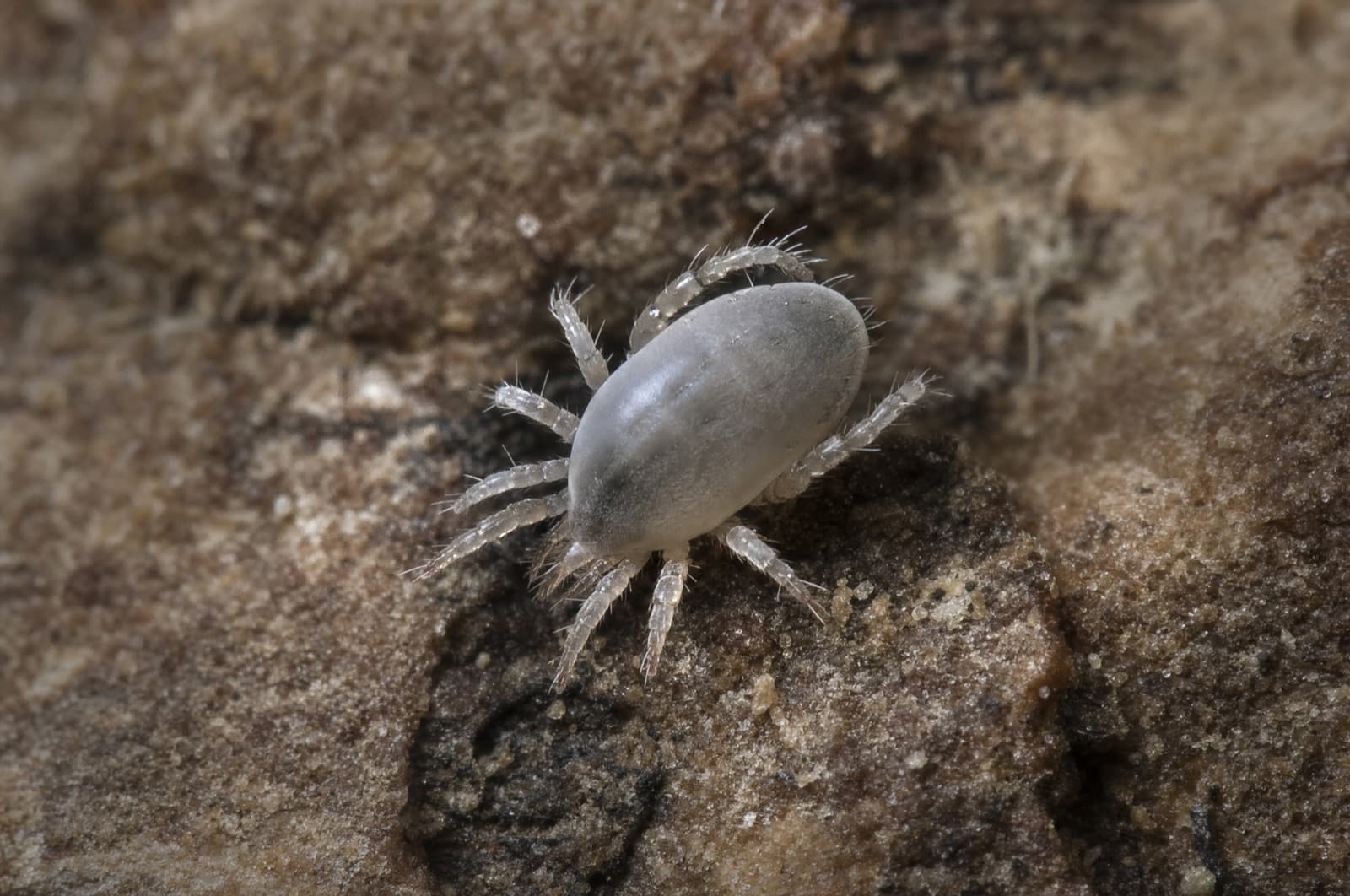
How to Get Rid of Chicken Mites
At a glance
- Difficulty: Advanced
- Time: Ongoing coop maintenance; a heavy infestation can take weeks of repeated cleaning to knock down given the roughly one-week life cycle in warm weather
- Cost: Low for routine coop upkeep; moderate for a heavier or recurring infestation
- Success: Good for routine flock maintenance with consistent coop cleaning; low for a heavy or recurring infestation without addressing every hiding crevice
Can you DIY Chicken Mite?
The verdict on Chicken Mite DIY
Same species as the bird mite, framed for backyard flocks — coop-focused source control is the fix, and heavy or recurring infestations need a pro.
The chicken mite, or poultry red mite, is Dermanyssus gallinae — the same species commonly called 'bird mite,' just in the backyard-poultry and coop context. Mites hide by day in cracks and crevices around roosts and nest boxes and feed on birds at night, and a poultry house can remain infested for up to nine months after birds are removed. Routine coop maintenance is reasonable DIY upkeep for a small flock, but the speed of rebound from missed crevices and the persistence of an empty-coop infestation make a heavier or recurring problem genuinely hard to fully clear without professional help.
The 5 DIY methods — honestly graded
Every approach graded for this species, in IPM order — prevention first, chemistry late. Pick a method to see how it works, the steps, and what it actually takes.
Prevention / Exclusion
Works wellCoop-focused cleaning is the most effective ongoing defense, but must be thorough to reach every hiding crevice.
Because mites hide by day in cracks and crevices and only feed at night, regularly cleaning and inspecting those specific hiding spots — not just the visible surfaces — denies them shelter between feedings.
Best for: Ongoing maintenance for small backyard flocks
Clean and inspect roosts and nest boxes
Regularly clean and inspect roosts, nest boxes, and cracks/crevices where mites hide during the day.
Remove and replace bedding
Remove and replace coop bedding on a routine schedule, disposing of old bedding away from the coop.
Treat perches directly
Clean and treat perches specifically, since mites cluster near where birds roost at night.
Tools & materials
Why DIY falls short here
Not scare tactics — the specific, proportionate reasons a home attempt can stall for this species.
Empty-coop persistence
A poultry house can remain infested for up to nine months after birds are removed, and mites survive weeks to months off-host, so 'starting fresh' with a new flock in an old coop doesn't reset the infestation.
Explosive rebound from missed crevices
The life cycle completes in about a week in warm weather, so any hiding spot missed during cleaning repopulates the coop fast, making a single cleaning pass insufficient.
Cleaning surfaces, not hiding spots
Mites hide by day in cracks and crevices and only emerge at night to feed, so a visibly clean coop can still harbor a substantial hidden population.
How risky is it, really?
An honest read — most nuisance species are genuinely low risk, and we say so.
Chicken mites bite humans and cause painful skin irritation, but can't survive or reproduce on people — the real stakes are flock health (anemia, dropped egg production) and a genuinely persistent biting nuisance to keepers during an active infestation.
- Painful dermatitis to keepersCommon
Common during an active infestation while working in or near the coop
Merck Veterinary Manual
- Flock anemia / reduced egg productionCommon
Common in heavy infestations due to blood loss from repeated feeding
Merck Veterinary Manual
- Mites establishing on humansRare
Mites can't survive or reproduce on people — bites resolve once you're away from an infested coop
Merck Veterinary Manual
Chicken Mites Persisting in Your Coop?
A heavy infestation can outlast an empty coop for months. Anchor Pest Services helps backyard flock owners across southern and central New Hampshire clear recurring mite problems. Family-owned since 2017, NH license #782664.
Call a pro when…
- A heavy or recurring infestation despite regular coop cleaning
- Signs of flock anemia or dropped egg production
- You've removed birds but the coop remains infested months later
General Pest Control
Routine coop maintenance is reasonable DIY upkeep for a small flock, but a heavy or recurring infestation — especially given how long mites persist in an empty structure — is genuinely difficult to fully clear yourself.
Keep them out
- Clean and inspect roosts and nest boxes on a routine schedule
- Remove and replace bedding regularly
- Treat perches directly, since mites cluster near roosting spots
Chicken mites and backyard flocks in New Hampshire
Backyard poultry keeping is common across NH's more rural and suburban towns, and chicken mites are one of the more persistent pest problems flock owners encounter, especially in warmer months when the roughly week-long life cycle lets populations build quickly. Because the same species also infests wild-bird nests as 'bird mite,' a coop near trees or structures where wild birds nest can face repeated reintroduction even after a thorough cleanout.
Peak season
Warmer months, when the faster life cycle accelerates population growth
Make sure it's a Chicken Mite
Two quick detours worth taking — confirm the ID, then learn what drew it in so it doesn't come back.
Frequently asked
Sources & further reading(3)
- [1]Merck Veterinary Manual — Mites of Poultry
Life cycle length, empty-coop persistence, flock health impact
medicalverified 2026-07-13 - [2]
- [3]ScienceDirect Topics — Dermanyssus gallinae
Species biology, off-host survival
academicverified 2026-07-13
Written & reviewed by
VerifiedDaniel Brady
NH-Licensed Pesticide Applicator · License #782664 (NHDAMF, RSA 430)
Daniel Brady is the New Hampshire–licensed applicator behind Anchor Pest Services, a family-owned pest control company serving the Manchester area since 2017.
Last updated July 2026
Professional Pest Control
Chicken Mites Persisting in Your Coop?
A heavy infestation can outlast an empty coop for months. Anchor Pest Services helps backyard flock owners across southern and central New Hampshire clear recurring mite problems. Family-owned since 2017, NH license #782664.
- Structural coop treatment for recurring infestations
- NH-licensed applicators (#782664)
- Free inspection — same-day service across southern NH
NH License #782664 · No obligation · We answer in person
Your next step
- Book a NH pro
Tick Control
Book now - What to do next
Chicken Mites in NH: Night Bites Mean a Bird Roost
Read the answer - Also relevant
Chicken Mites in NH: Night Bites Mean a Bird Roost
Read the answer - Also relevant
Tick Prevention in NH: Tickscaping + Personal Protection
Read the answer - Also relevant
What Attracts Chicken Mites to Your House?
Read the answer - Related guide
How to Get Rid of Bird Mites
Read the answer