
How to Get Rid of Dog Ticks
At a glance
- Difficulty: Intermediate
- Time: Ongoing — pet preventives are year-round; personal protection is seasonal (peak May-July outdoors)
- Cost: Low for prevention (vet-prescribed pet preventives, repellents); higher if an indoor brown dog tick infestation is involved
- Success: Good for prevention and personal/pet protection with consistent habits; correct species ID matters for anything beyond basic prevention
Can you DIY Dog Tick?
The verdict on Dog Tick DIY
'Dog tick' usually means one of two different species in NH — and telling them apart changes your whole plan.
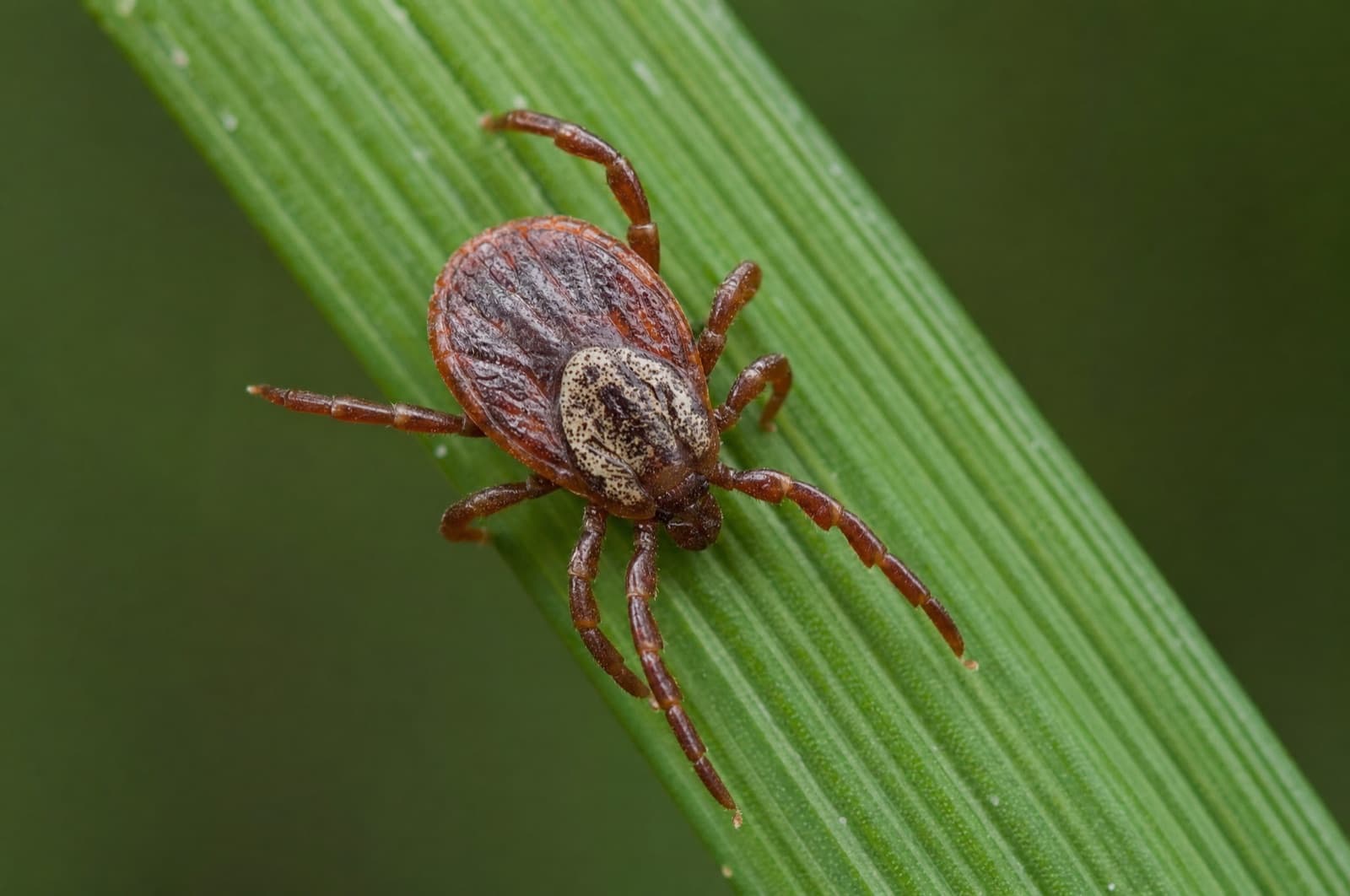
In New Hampshire, 'dog tick' most commonly refers to the American dog tick (Dermacentor variabilis), a common outdoor species active May through July that doesn't transmit Lyme disease but can carry RMSF and tularemia. It's also sometimes used loosely for the brown dog tick, an unusual species that can complete its entire life cycle indoors around dogs. Personal protection and pet preventives are genuinely DIY for either, but the right control plan depends on which one you actually have, which is why this page routes to the two species-specific pages for full detail.
The 5 DIY methods — honestly graded
Every approach graded for this species, in IPM order — prevention first, chemistry late. Pick a method to see how it works, the steps, and what it actually takes.
Prevention / Exclusion
Works wellPet preventives and yard management are the foundation regardless of which species you have.
Keeping ticks off your dog and reducing yard habitat both cut exposure before a tick ever attaches, and this applies whether you're dealing with the American dog tick or the brown dog tick.
Best for: Every dog owner, as ongoing prevention regardless of species
Use year-round vet-prescribed preventives
Keep your dog on a vet-prescribed tick preventive year-round, not just in summer.
Check your dog after outdoor time
Inspect ears, between toes, and around the neck after walks, kennels, groomers, or dog parks.
Manage the yard
Mow lawns and clear brushy edges where ticks quest.
Tools & materials
Why DIY falls short here
Not scare tactics — the specific, proportionate reasons a home attempt can stall for this species.
Misidentifying which species you have
American dog tick (yard/outdoor, RMSF/tularemia risk) and brown dog tick (indoor-breeding kennel pest) demand genuinely different plans, so treating one as if it were the other wastes effort.
Skipping pet preventives
Your dog is the main host and entry route for both species; without a year-round vet-prescribed preventive, yard management and personal repellents alone are working around a gap rather than closing it.
Assuming outdoor-only precautions are enough
If the species turns out to be brown dog tick, an indoor population can already be established behind moldings and in cracks by the time outdoor precautions would have mattered.
How risky is it, really?
An honest read — most nuisance species are genuinely low risk, and we say so.
Primarily a pet nuisance and canine-disease concern; human RMSF and tularemia risk in NH is real but rare. Neither commonly-meant species transmits Lyme disease, which is a frequent point of confusion worth correcting.
- Canine disease / bite nuisanceCommon
The dominant practical concern for pet owners with either species
UNH Extension; UF/IFAS
- Human RMSF / tularemia (if American dog tick)Rare
Real but uncommon in NH
UNH Extension
- Lyme diseaseRare
Neither American dog tick nor brown dog tick transmits Lyme disease
UNH Extension
Ticks on Your Dog or in Your Home?
American dog tick and brown dog tick need genuinely different plans. Anchor identifies which you have and treats accordingly across southern and central New Hampshire. Family-owned since 2017, NH license #782664.
Call a pro when…
- Ticks found indoors away from your dog — a possible brown dog tick sign needing whole-premises treatment
- Recurring outdoor tick encounters despite personal protection
- You're unsure which species you have and want a professional assessment
General Pest Control
Prevention and personal/pet protection are yours to own for either species. A pro is most valuable once you've identified brown dog tick indoors, or for recurring outdoor tick pressure a yard treatment can address.
Keep them out
- Keep dogs on year-round vet-prescribed tick preventives
- Check dogs after walks, kennels, groomers, and dog parks
- Mow lawns and clear brushy yard edges
Dog ticks in New Hampshire
Most NH pet owners who say 'dog tick' mean the American dog tick found outdoors on lawns, trails, and brushy edges, most active May through July. A smaller number are dealing with the brown dog tick, usually introduced from a kennel, groomer, or dog park, which then breeds indoors year-round in heated NH homes. If you're seeing ticks indoors away from your dog, or the problem persists through winter, that points toward brown dog tick rather than the more common outdoor species.
Peak season
May-July outdoors (American dog tick); year-round if indoors (brown dog tick)
Make sure it's a Dog Tick
Two quick detours worth taking — confirm the ID, then learn what drew it in so it doesn't come back.
Frequently asked
Sources & further reading(3)
- [1]UNH Extension — Biology and Management of Ticks in New Hampshire
American dog tick biology, disease profile
extensionverified 2026-07-13 - [2]
- [3]
Written & reviewed by
VerifiedDaniel Brady
NH-Licensed Pesticide Applicator · License #782664 (NHDAMF, RSA 430)
Daniel Brady is the New Hampshire–licensed applicator behind Anchor Pest Services, a family-owned pest control company serving the Manchester area since 2017.
Last updated July 2026
Other species you can tackle
Same category — the dot shows each one's DIY verdict at a glance (green = friendly, amber = doable with care, red = call a pro).
Professional Pest Control
Ticks on Your Dog or in Your Home?
American dog tick and brown dog tick need genuinely different plans. Anchor identifies which you have and treats accordingly across southern and central New Hampshire. Family-owned since 2017, NH license #782664.
- Species ID and the right treatment plan
- NH-licensed applicators (#782664)
- Free inspection — same-day service across southern NH
NH License #782664 · No obligation · We answer in person
Your next step
- Book a NH pro
Tick Control in New Hampshire
Adult deer ticks peak in fall. Yard tick control across Manchester and southern NH.
Book now - What to do next
Brown Dog Tick in NH: The Tick That Infests Houses
Read the answer - What to do next
American Dog Tick in NH: ID, Disease Risk & Removal
Read the answer - Also relevant
Tick Prevention in NH: Tickscaping + Personal Protection
Read the answer - Also relevant
What Attracts Dog Ticks to Your House?
Read the answer - Related guide
How to Get Rid of Brown Dog Ticks
Read the answer