
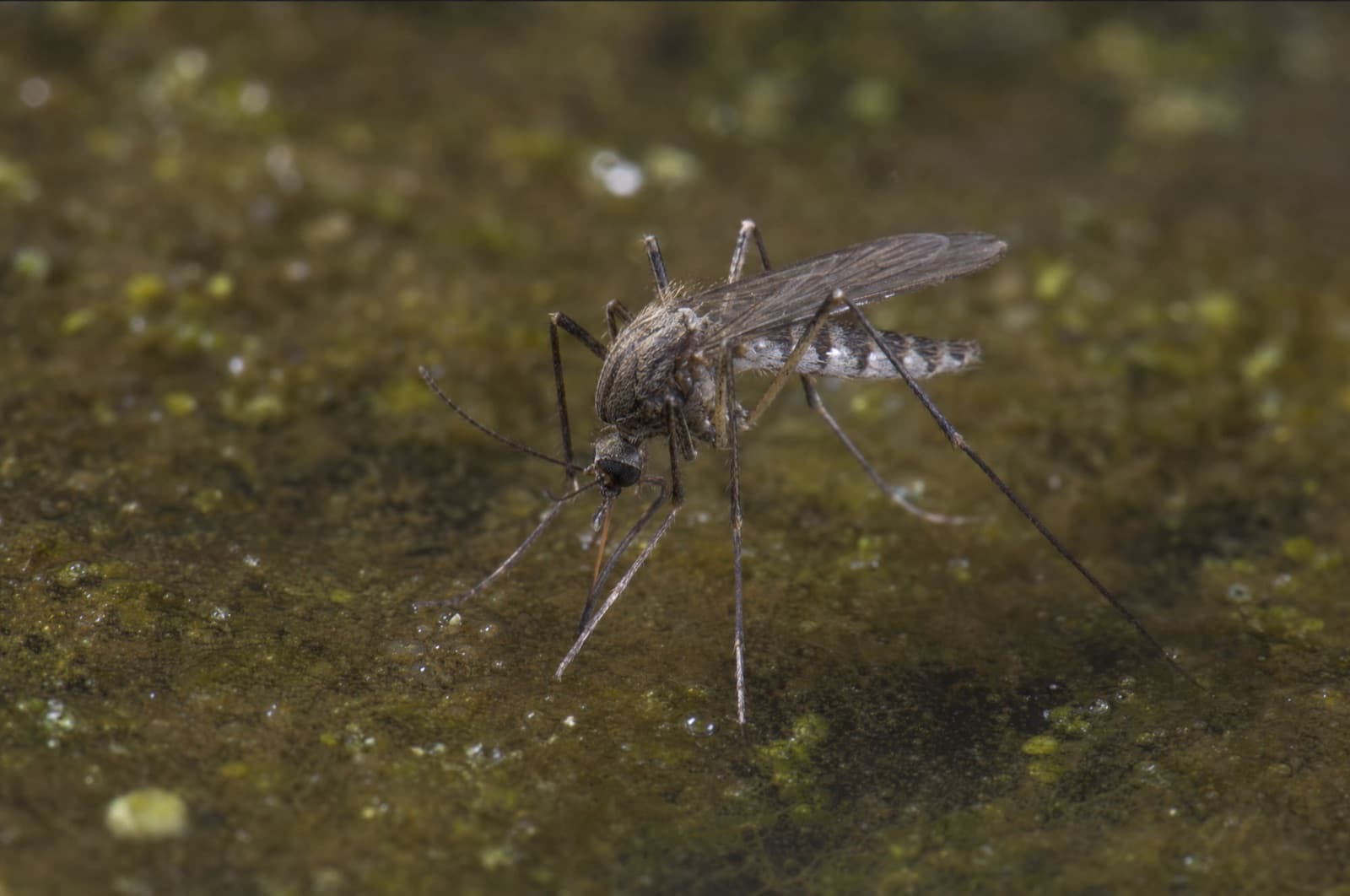
How to Get Rid of Mosquitoes
At a glance
- Difficulty: Intermediate
- Time: An afternoon for the initial standing-water sweep; a weekly recheck through mosquito season
- Cost: Low — for source reduction; a repellent adds modest ongoing cost
- Success: High for reducing bites on your property with consistent source reduction; broader suppression is harder without professional yard treatment
Can you DIY Mosquito?
The verdict on Mosquito DIY
Genuinely effective DIY for source reduction and personal protection — broader yard suppression is harder to do yourself.
Eliminating standing water on your property is the single highest-value mosquito-control action a homeowner can take, and it's something you can do this weekend with no special equipment. Pair it with EPA-registered personal repellents and you meaningfully reduce your bite exposure and disease risk. What DIY can't reliably do is suppress an active, established mosquito population across a whole yard or neighborhood — that requires either repeated larvicide/adulticide applications or accepting mosquitoes cross property lines from sources you don't control. New Hampshire has real, documented mosquito-borne disease activity (EEE, West Nile virus, Jamestown Canyon virus), so this isn't a species to treat casually — but it's also not a reason to panic. Source reduction and repellents genuinely work.
The 5 DIY methods — honestly graded
Every approach graded for this species, in IPM order — prevention first, chemistry late. Pick a method to see how it works, the steps, and what it actually takes.
Prevention / Exclusion
Works wellThe single highest-value DIY action against mosquitoes — eliminate standing water, don't just treat symptoms.
Mosquitoes can breed in standing water in as little as four days, and even small amounts — a bottle cap, a clogged gutter, a tarp fold — are enough for some species. Removing that water removes the breeding site entirely, which is more effective than any spray.
Best for: Every property — this is the foundational action everything else builds on
Empty and scrub containers weekly
Dump and scrub birdbaths, buckets, planter saucers, old tires, toys, and anything else that can hold water, at least once a week.
TipScrubbing matters, not just dumping — mosquito eggs can stick to container walls above the waterline.Clear gutters and cover rain barrels
Clean clogged gutters where water pools, and use a mesh cover or tight lid on rain barrels.
Screen and seal your home
Install or repair tight-fitting screens on windows and doors to keep mosquitoes from getting inside.
Tools & materials
Why DIY falls short here
Not scare tactics — the specific, proportionate reasons a home attempt can stall for this species.
Missing cryptic water sources
Even tiny containers — a bottle cap, a tarp fold, a child's toy — breed mosquitoes, and one overlooked source can undo an otherwise thorough sweep of your property.
Mosquitoes cross property lines
A neighbor's uncovered rain barrel, clogged gutter, or unmaintained pool can reinfest your yard regardless of how well you manage your own property — community-level action matters for population-level control.
How risky is it, really?
An honest read — most nuisance species are genuinely low risk, and we say so.
New Hampshire has real, documented mosquito-borne disease activity, and this risk should not be minimized to "just a nuisance." NH DHHS tracks three arboviruses circulating in NH mosquitoes — Eastern Equine Encephalitis (EEE), West Nile virus (WNV), and Jamestown Canyon virus (JCV). Severe neuroinvasive disease is rare but can be serious. At the same time, DIY source reduction and personal protection meaningfully reduce this risk, and most mosquito bites in NH do not lead to illness.
- Nuisance bitingCommon
The everyday experience for most NH residents during mosquito season
NH DHHS
- West Nile virus / Jamestown Canyon virus infectionOccasional
NH DHHS has documented positive mosquito batches and human cases in recent surveillance, including hospitalizations
NH DHHS Arboviral Surveillance
- Eastern Equine Encephalitis (EEE)Rare
Rare but among the most serious mosquito-borne illnesses; detected in NH mosquitoes and animals in recent years, with NH's first human case identified in 2004
NH DHHS
Ready for a Quieter Backyard?
Source reduction and repellents help, but a persistent mosquito problem often needs yard-wide treatment. Anchor Pest Services offers seasonal mosquito programs across southern and central New Hampshire. Family-owned since 2017, NH license #782664.
Call a pro when…
- Heavy mosquito pressure persists despite thorough standing-water elimination on your property
- You want a yard-wide barrier or larvicide treatment program for ongoing suppression
- You're hosting an outdoor event and want temporary population knockdown
General Pest Control
DIY source reduction and repellents are genuinely effective and worth doing regardless of professional treatment. A pro adds real value for broader yard-wide population suppression during an active mosquito problem, which is harder to achieve reliably through DIY alone.
Keep them out
- Empty and scrub standing water weekly — this is the single highest-value action
- Use an EPA-registered repellent with a CDC-endorsed active ingredient outdoors
- Use Bti dunks in water features you can't drain
Mosquitoes and disease activity in New Hampshire
NH DHHS runs active arboviral surveillance through the mosquito season, testing mosquito batches statewide for EEE, West Nile virus, and Jamestown Canyon virus. In recent surveillance, batches from towns including Keene, Londonderry, Manchester, and Nashua have tested positive, and EEE has been detected in locations including Fremont. Mosquito season in New Hampshire generally runs from late spring through the first hard frost — about October 19–29 in Manchester (NOAA) — with activity peaking in the warm, humid months.
Peak season
Late spring through early fall, peaking in warm, humid months
First-frost anchor
Manchester first hard frost ~Oct 19 (50%) / Oct 29 (80%), NOAA 1991–2020 — mosquito activity drops off sharply after the first hard frost
Make sure it's a Mosquito
Two quick detours worth taking — confirm the ID, then learn what drew it in so it doesn't come back.
Frequently asked
Sources & further reading(4)
- [1]NH DHHS — Mosquito-Borne Illnesses
NH EEE/WNV/JCV surveillance data, disease risk framing
govverified 2026-07-13 - [2]
- [3]CDC — Mosquito Control: Larvicides & Repellents
CDC-endorsed repellent active ingredients, larvicide guidance
govverified 2026-07-13 - [4]EPA — Successful Mosquito Control: An Integrated Approach
Source reduction as the primary control lever
govverified 2026-07-13
Written & reviewed by
VerifiedDaniel Brady
NH-Licensed Pesticide Applicator · License #782664 (NHDAMF, RSA 430)
Daniel Brady is the New Hampshire–licensed applicator behind Anchor Pest Services, a family-owned pest control company serving the Manchester area since 2017.
Last updated July 2026
Other species you can tackle
Same category — the dot shows each one's DIY verdict at a glance (green = friendly, amber = doable with care, red = call a pro).
Professional Pest Control
Ready for a Quieter Backyard?
Source reduction and repellents help, but a persistent mosquito problem often needs yard-wide treatment. Anchor Pest Services offers seasonal mosquito programs across southern and central New Hampshire. Family-owned since 2017, NH license #782664.
- NH-licensed applicators (#782664)
- Free inspection — same-day service across southern NH
NH License #782664 · No obligation · We answer in person
Your next step
- Book a NH pro
Mosquito Control
Book now - What to do next
Does Mosquito Control Really Work?
Read the answer - What to do next
Why Are There Mosquitoes in My House?
Read the answer - What to do next
Mosquito — Quick ID for New Hampshire Homeowners
Read the answer - Also relevant
West Nile Virus in New Hampshire: How Real Is the Risk?
Read the answer - Also relevant
Eastern Equine Encephalitis (EEE) in New Hampshire
Read the answer