
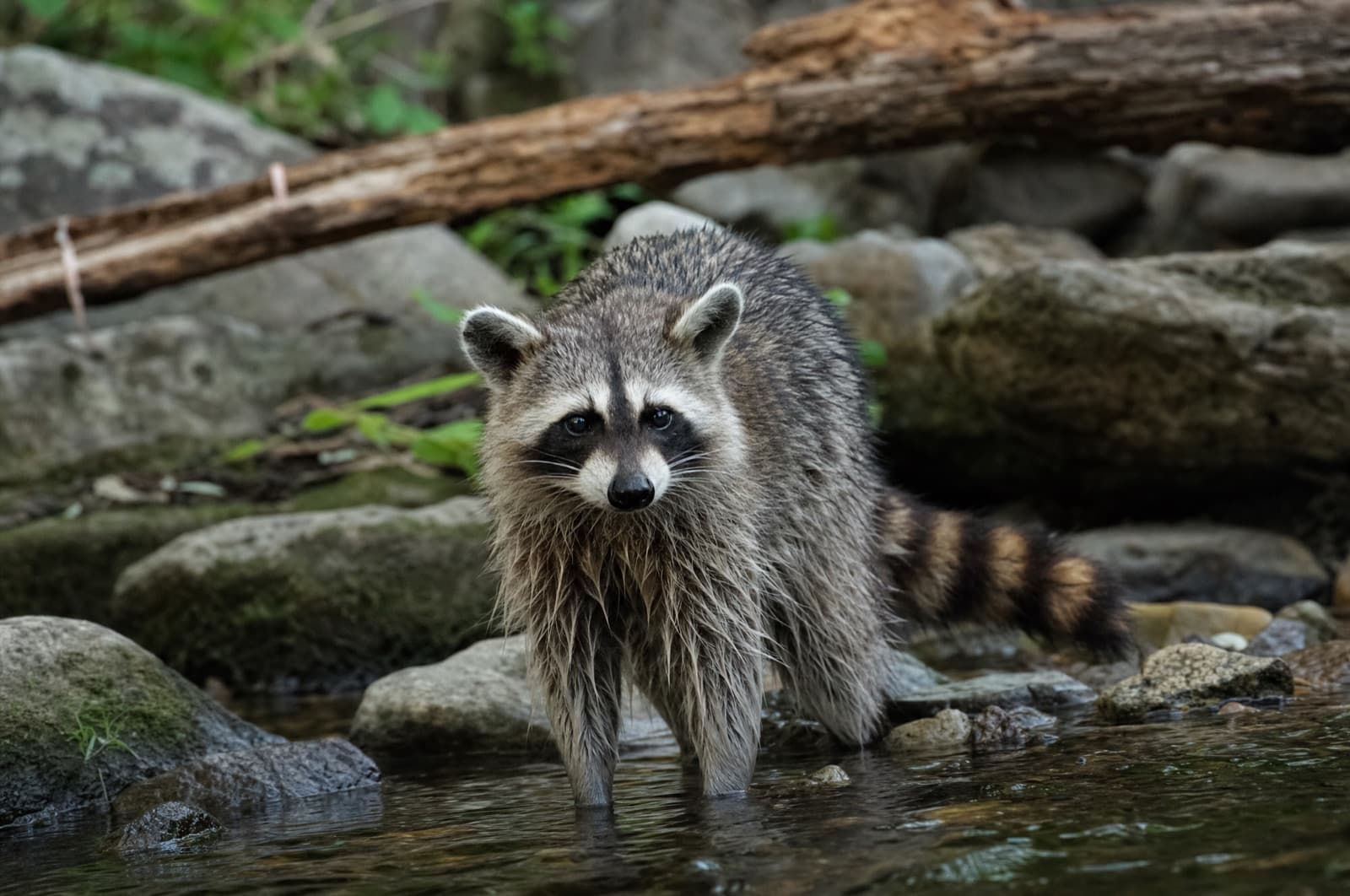
How to Get Rid of Raccoons
At a glance
- Difficulty: Pro only
- Time: A weekend for prevention; professional exclusion timing varies with kit presence
- Cost: Low for prevention supplies; professional service required for structural removal
- Success: Good for prevention; established indoor presence needs professional kit-verification and exclusion
Can you DIY Raccoon?
The verdict on Raccoon DIY
Prevention is DIY; an established raccoon inside your home is a pro's job.
Raccoons are New Hampshire's primary rabies-vector species — NH DHHS lists them among the state's most common wild rabies reservoirs, and confirmed rabid raccoons were reported across at least four counties in Anchor's service area in 2024. They also deposit roundworm (Baylisascaris procyonis) in droppings, a rare but severe risk when eggs are ingested. Females den in attics and wall voids and raise young that can't leave for weeks, so excluding or trapping a mother first orphans her kits — they die inside, causing odor and secondary infestation, and provoke destructive re-entry attempts. The DIY-appropriate piece is prevention: securing trash, removing pet food, and capping chimneys before a raccoon ever moves in. Once one is established indoors, this is a professional job.
The 5 DIY methods — honestly graded
Every approach graded for this species, in IPM order — prevention first, chemistry late. Pick a method to see how it works, the steps, and what it actually takes.
Prevention / Exclusion
Works wellHighly effective for keeping a raccoon from denning in the first place — the genuinely DIY-appropriate piece of this species' control.
Raccoons den in attics, chimneys, and wall voids that offer easy access and a nearby food source. Removing the food draw and sealing likely entry points before denning begins is squarely within a homeowner's reach.
Best for: Preventing a raccoon from ever denning in your structure
Remove the food draw
Secure trash cans with locking lids, bring pet food in overnight, and don't leave it accessible outdoors.
Cap and screen likely entry points
Fit chimneys with a proper spark-arrestor cap, and screen deck and soffit access points — but only before a raccoon has denned there.
CautionOnce a raccoon is established indoors, sealing entry points yourself risks trapping the animal, or her kits, inside.
Tools & materials
Why DIY falls short here
Not scare tactics — the specific, proportionate reasons a home attempt can stall for this species.
Rabies-vector handling
Raccoons are NH's leading rabies-vector species; any bite, scratch, or saliva contact is a genuine exposure requiring prompt medical care, which makes hands-on DIY removal a real health risk.
Roundworm in droppings
Baylisascaris procyonis eggs in raccoon latrines can, in rare cases, cause severe and occasionally fatal illness, and require careful cleanup — not casual sweeping.
Dependent kits
Excluding or trapping a denning mother without verifying whether kits are present orphans them; they die inside the structure, causing odor, secondary infestation, and destructive re-entry attempts by the mother.
Licensing and relocation limits
Out-of-season trapping requires a Wildlife Control Operator license, and off-site relocation is legally restricted — NH Fish & Game will not remove or relocate a trapped animal for you.
How risky is it, really?
An honest read — most nuisance species are genuinely low risk, and we say so.
Raccoons carry a genuinely elevated, correctly-sourced risk in this hub — not fear-mongering. As New Hampshire's primary rabies-vector species with real roundworm exposure potential in droppings, raccoons warrant real caution, especially around any established indoor presence or cornered/defensive animal.
- Rabies exposure from bites, scratches, or saliva contactOccasional
NH DHHS lists raccoons among the state's most common wild rabies reservoirs; confirmed rabid raccoons were reported in at least four counties across Anchor's service area in 2024 — seek medical care after any bite, scratch, or saliva contact
NH DHHS Positive Animal Rabies in New Hampshire (2024)
- Raccoon roundworm (Baylisascaris procyonis) from droppingsOccasional
Per CDC, up to 80% of raccoons in the Northeast may carry it, and eggs become infective after 2–4 weeks in the environment and can survive for years; human disease is genuinely rare (about 35 U.S. cases reported total) but can be severe, with highest risk to young children who mouth contaminated objects — prompt removal of fresh droppings meaningfully reduces risk
CDC MMWR (July 2025)
- Leptospirosis and structural/insulation damageOccasional
From urine-contaminated soil/water and nesting activity in occupied spaces
CDC
Raccoon in the Attic? Don't Risk a DIY Removal.
Rabies-vector status, roundworm-contaminated droppings, and possible kits make raccoon removal a licensed job. Anchor Pest Services handles it safely across southern and central New Hampshire. Family-owned since 2017, NH license #782664.
Call a pro when…
- Any raccoon activity indicating denning (sounds in an attic or chimney, entry damage)
- A raccoon that appears aggressive, disoriented, or is out during the day (possible rabies signs — keep distance and call)
- Roundworm-contaminated droppings needing safe removal
General Pest Control
Prevention — securing trash, removing pet food, capping chimneys — is DIY-appropriate. Any established raccoon presence in your home, especially with possible young, calls for a professional assessment before any exclusion is attempted.
Keep them out
- Secure trash cans with locking lids
- Don't leave pet food outdoors overnight
- Cap chimneys with a proper spark-arrestor cap before denning season
Raccoons in New Hampshire
New Hampshire's 2024 rabies surveillance confirmed rabid raccoons in Rockingham, Merrimack, Hillsborough, and Sullivan counties — spanning Anchor's service area — and USDA runs an Oral Rabies Vaccination and Enhanced Rabies Surveillance program in the state specifically to limit the spread of the raccoon rabies variant. Raccoon denning activity picks up in spring as females seek attics and chimneys for kits, making pre-spring prevention (capping chimneys, securing attractants) the highest-value DIY window.
Peak season
Denning season spring through early summer
Make sure it's a Raccoon
Two quick detours worth taking — confirm the ID, then learn what drew it in so it doesn't come back.
Frequently asked
Sources & further reading(5)
- [1]NH DHHS — Rabies and Animal Bites
Raccoons as a primary NH rabies-reservoir species
govverified 2026-07-13 - [2]NH DHHS Public Health Laboratories — Positive Animal Rabies in New Hampshire (2024)
Confirmed rabid raccoons in Anchor's NH service-area counties in 2024
govverified 2026-07-13 - [3]CDC MMWR — Baylisascaris procyonis (Raccoon Roundworm), July 2025
Roundworm prevalence in raccoons and human case data
govverified 2026-07-13 - [4]CDC — About Baylisascaris
Roundworm egg infectivity and environmental persistence
govverified 2026-07-13 - [5]NH Fish & Game — Nuisance Wildlife / Wildlife Control Operators
Trapping licensing and relocation constraints
govverified 2026-07-13
Written & reviewed by
VerifiedDaniel Brady
NH-Licensed Pesticide Applicator · License #782664 (NHDAMF, RSA 430)
Daniel Brady is the New Hampshire–licensed applicator behind Anchor Pest Services, a family-owned pest control company serving the Manchester area since 2017.
Last updated July 2026
Other species you can tackle
Same category — the dot shows each one's DIY verdict at a glance (green = friendly, amber = doable with care, red = call a pro).
Professional Wildlife Removal
Raccoon in the Attic? Don't Risk a DIY Removal.
Rabies-vector status, roundworm-contaminated droppings, and possible kits make raccoon removal a licensed job. Anchor Pest Services handles it safely across southern and central New Hampshire. Family-owned since 2017, NH license #782664.
- Kit-verified, humane exclusion
- NH-licensed technicians (#782664)
- Free inspection — same-day service across southern NH
NH License #782664 · No obligation · We answer in person