
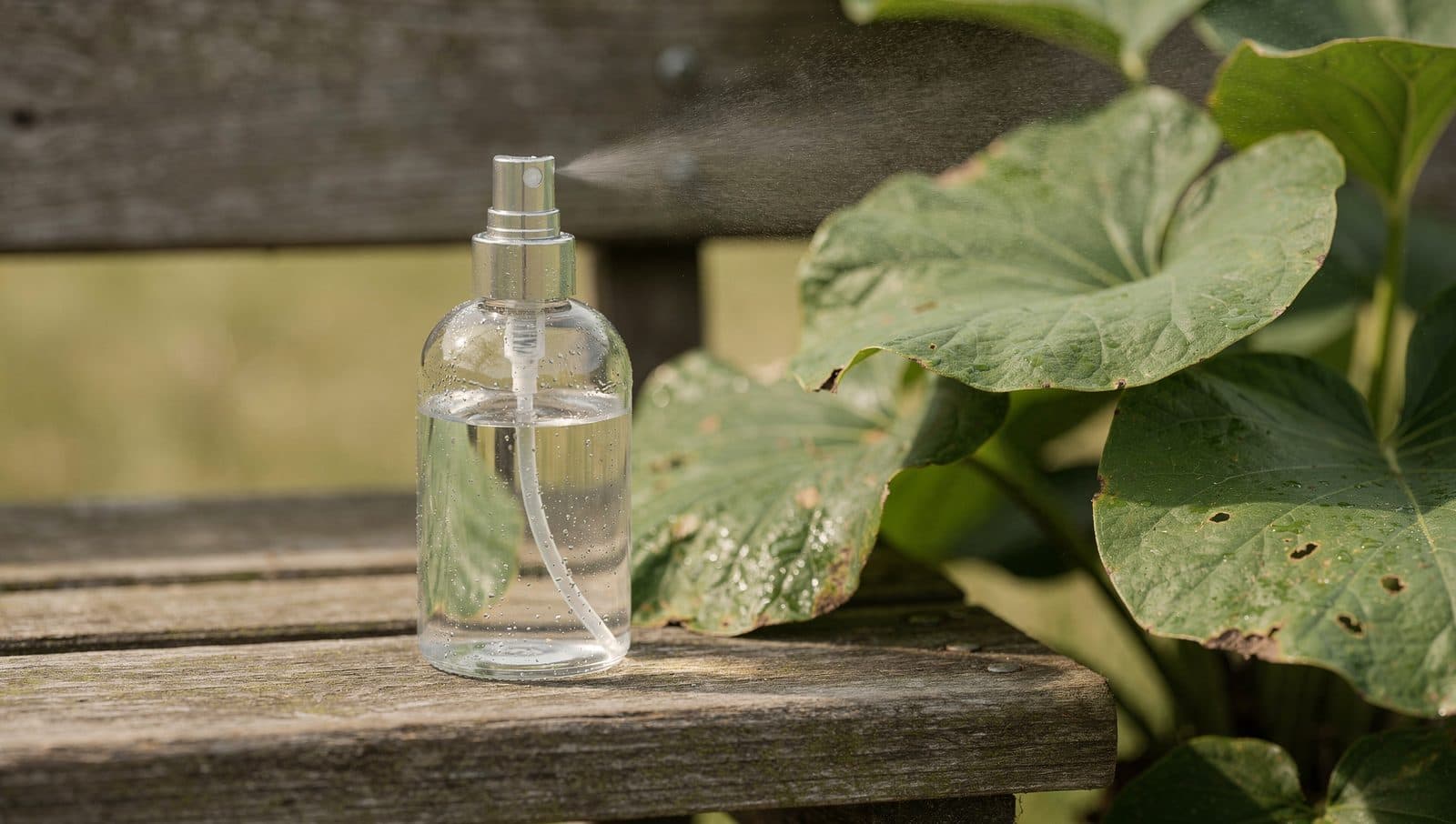
Do Coffee Grounds or Garlic Repel Leaf Insects?
There's little solid evidence coffee grounds repel leaf pests, and while garlic shows lab activity, neither is a reliable fix for bugs on your leaves.
At a glance
- The verdict: Myth / weak evidence
- Who fixes it: Garden center
- Category: Leaf Treatments & Remedy Myths
The short answer
Don't rely on either one for leaf pests. Madeline Potter, a Faculty Specialist in entomology and IPM at the University of Maryland Extension Home and Garden Information Center, says there "isn't a lot of actual evidence that coffee grounds deter pests effectively," and that the popular claims "may be more myth than fact." Garlic contains sulfur compounds with measurable repellent and insecticidal activity in lab studies, but results are inconsistent and most research focuses on mosquitoes, not protecting your plant's foliage. For an actual leaf-pest problem, use a registered contact product matched to the pest, plus cultural controls.
The honest efficacy grade
Coffee grounds sprinkled on soil, or garlic sprays, as leaf-insect repellents
myth- The claim
- Sprinkling coffee grounds around plants or spraying garlic on leaves keeps insects away.
- The reality
- UMD Extension's Madeline Potter states the evidence for coffee grounds is weak and the claims "may be more myth than fact"; horticulture writer Larry Hodgson of Laidback Gardener notes that "every time a serious study is done on the issue, the result is always negative. For example, slugs will readily cross a layer of coffee grounds in order to reach the plant of interest." Garlic's organosulfur compounds do show repellent and insecticidal activity in peer-reviewed work — a Yale study (Ebrahim et al., Cell, June 2026) found the garlic compound diallyl disulfide "prohibits both mating and egg-laying" in fruit flies and mosquitoes via a taste receptor — but a University of Connecticut study found people who ate garlic were bitten by mosquitoes just as often as on placebo days, and none of this evidence is about protecting leaves from herbivores.
Source:University of Maryland Extension; Laidback Gardener; Yale University (Cell, 2026); University of Connecticut
Who actually fixes this?
Start here
Garden center
If leaf insects are an actual, confirmed problem, a registered garden-center product matched to the identified pest is the reliable fix — not a kitchen-cabinet remedy.
- You — You just want to try low-risk cultural steps like removing debris and monitoring, which cost nothing and won't harm the plant even if they don't repel much.
- UNH Extension — You want to confirm what's actually on the plant before spending money on any product, natural or otherwise.
The details, straight
Coffee grounds: the entomologist's verdict
The coffee-grounds-repel-bugs claim is one of the most widely repeated pieces of garden folklore, but it doesn't hold up under scrutiny. Madeline Potter, a Faculty Specialist in entomology and integrated pest management at the University of Maryland Extension Home and Garden Information Center, says there "isn't a lot of actual evidence that coffee grounds deter pests effectively." Horticulture writer Larry Hodgson notes that formal studies consistently come back negative — even slugs, often cited as coffee-averse, "will readily cross a layer of coffee grounds in order to reach the plant of interest."
Garlic: real lab activity, weak real-world protection
Garlic is a more interesting case because there's genuine peer-reviewed science behind its bioactivity — a 2026 Yale study published in Cell found that the garlic compound diallyl disulfide "prohibits both mating and egg-laying" in fruit flies and mosquitoes by acting on a specific taste receptor. That's a real mechanism, but it was studied in flies and mosquitoes in a lab setting, not as a foliar spray protecting a garden plant from leaf-chewing or sap-sucking insects. A University of Connecticut study on people eating garlic even found no reduction in mosquito bites compared to a placebo, underscoring how inconsistent garlic's real-world repellent effect can be.
The homemade-spray risk
Beyond weak efficacy, homemade garlic sprays typically add dish soap as an emulsifier to help the garlic oil mix with water — and that dish soap, not the garlic, is often what damages leaves, since household detergents can strip the protective waxy cuticle and cause burn. Untested homemade concoctions like this aren't registered pesticides and haven't been evaluated for consistent plant safety or pest efficacy.
What to do if you have an actual leaf-insect problem
Skip the kitchen-cabinet remedies and identify the pest first. For soft-bodied insects, a registered insecticidal soap or horticultural oil is the honest, extension-backed starting point. Pair it with basic cultural controls — removing fallen debris, keeping plants healthy and unstressed, and monitoring leaf undersides regularly — which genuinely reduce pest pressure over time, unlike coffee grounds or garlic sprinkled around the base of a plant.
Key takeaways
- An entomologist at UMD Extension calls the coffee-grounds-repel-pests claim "more myth than fact."
- Formal studies on coffee grounds consistently come back negative — even slugs will cross a layer to reach a plant.
- Garlic has real, peer-reviewed bioactivity against flies and mosquitoes in lab settings, but that doesn't reliably translate to protecting your leaves.
- Homemade garlic sprays often add dish soap, which can burn leaves more than the garlic itself repels bugs.
- For an actual leaf-insect problem, use a registered insecticidal soap or oil matched to the identified pest.
Skip the folklore — identify the pest first
Coffee grounds and garlic sprays are unreliable at best. If leaf insects are a real problem, get the ID right before choosing a treatment.
See how to identify leaf pestsRelated questions
Sources(4)
- [1]University of Maryland Extension (via Yahoo Home & Garden) — Coffee Grounds and Pest Deterrence
Madeline Potter (UMD Extension entomologist) on weak coffee-grounds evidence
extensionverified 2026-07-14 - [2]Laidback Gardener — The Truth About Coffee Grounds
Studies consistently negative; slugs cross coffee-ground barriers
academicverified 2026-07-14 - [3]Yale News — Pantry Pest Control: Garlic Compound Study
Diallyl disulfide disrupts mating/egg-laying in flies and mosquitoes (Cell, 2026)
academicverified 2026-07-14 - [4]UC Master Gardener Program — Dangers of Homemade Pest Control Remedies
Homemade sprays unregistered/untested for safety and efficacy
extensionverified 2026-07-14
Written & reviewed by
VerifiedDaniel Brady
NH-Licensed Pesticide Applicator · License #782664 (NHDAMF, RSA 430)
Daniel Brady is the New Hampshire–licensed applicator behind Anchor Pest Services, a family-owned pest control company serving the Manchester area since 2017.
Last updated 2026-07-14
Your next question
Honest pest help for New Hampshire homes
Leaf Pests Are Plant Care — But Your Home Is Our Job
Deciding what to spray on your garden plants is garden work, and we'll always tell you so honestly, even when the popular remedy is a myth. Where Anchor Pest Services genuinely helps is the pests around your home — rodents, ants, ticks, and moisture pests drawn to leaf litter and debris against the foundation. Family-owned since 2017, NH license #782664, serving Manchester, Nashua, Concord and nearby towns.
- Myth-busting, not upselling — we won't sell you a treatment folk remedies can't beat
- NH-licensed applicators (#782664) — free quote, no pressure
- Structural and yard pest work for southern and central New Hampshire homes
NH License #782664 · No obligation · We answer in person
Your next step
- Book a NH pro
Pest Control Services
Licensed, family-owned pest control across southern NH.
Book now - Also relevant
Do Coffee Grounds Help Repel Wasps From Patios or Gardens?
Read the answer - Related guide
How Do I Fix Holes in Basil Leaves?
Read the answer - Related guide
How Can I Stop Fungal Growth on Leaves?
Read the answer - Related guide
What’s the Difference Between Leaf Blight and Leaf Spot?
Read the answer - Related guide
What's the Difference Between Leaf Pest Control and Lawn Pest Control?
Read the answer