
Skip to content
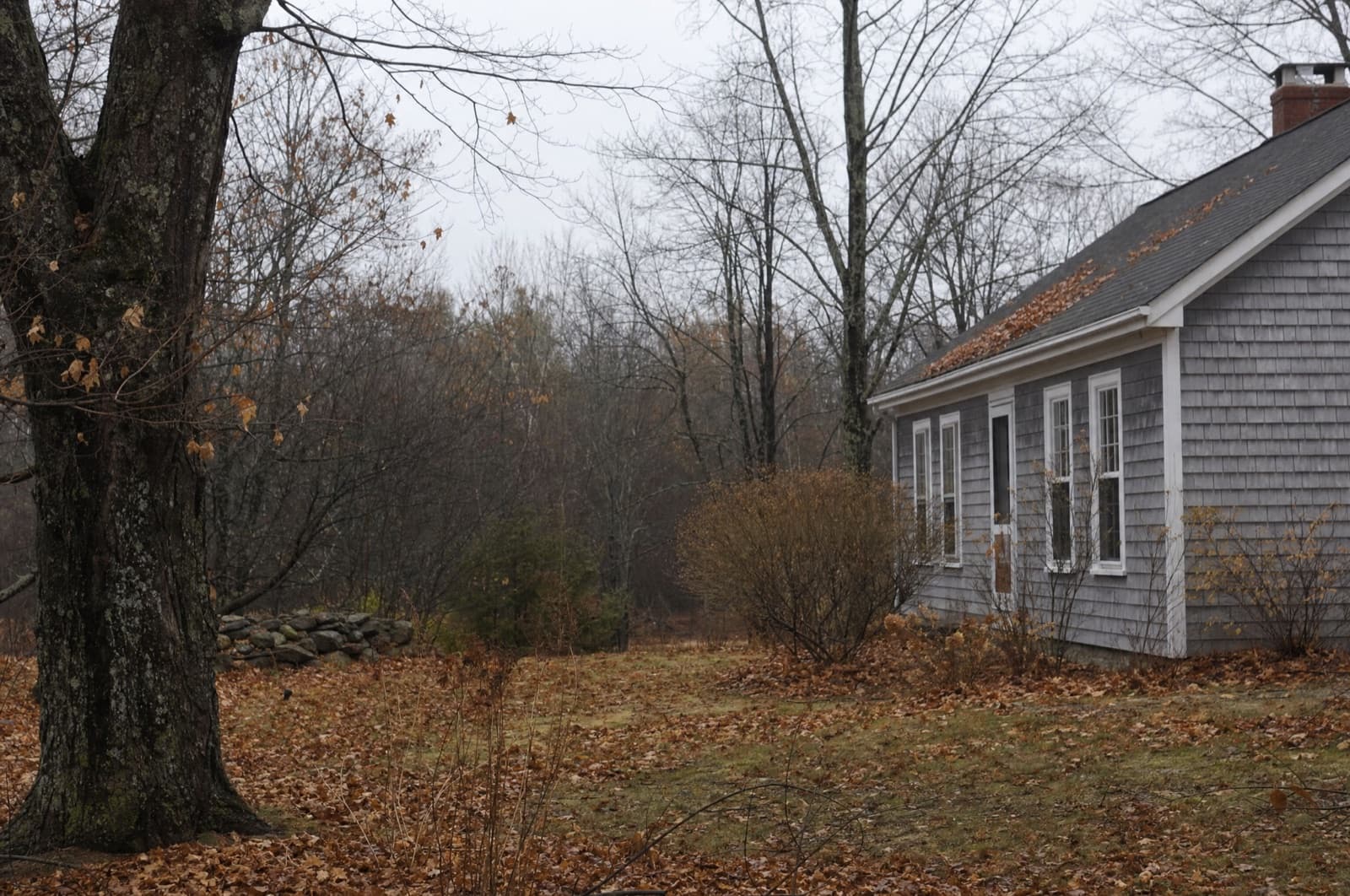
November in a New Hampshire yard
Daniel Brady · NH-Licensed Pesticide Applicator · License #782664
Reviewed by Daniel Brady

What Pests Are Actually Active in November in New Hampshire?

Shoulder monthThe season is turning — a few real changes, not many.
November is the year's crash: twelve species are winding down at once, the longest turned-down list on this calendar, as October's frost finishes its work outdoors. Only two species remain at genuine peak — mice and rats — and that is the entire honest story of this month. Everything that turned up in October's invasion is already declining toward winter dormancy. The two things that didn't decline are the two that moved indoors before the frost and are now simply established there.

November at a glance

  • Species at peak: 2
  • Turned up: 2 newly active
  • Turned down: 12 winding down
  • The floor: 5 here year-round
  • Oct 19-29

    Manchester's normal first hard freeze — November is the first full month living downstream of it

    NOAA/NWS

  • 40°F

    Adult blacklegged ticks stay active into late November on any snow-free day above this temperature

    UNH Cooperative Extension

  • 2 human cases, 1 death

    New Hampshire's 2024 EEE outbreak — its worst in a decade, now fully behind the season the frost closed

    NH DHHS

  • 7 batches

    EEE-positive mosquito batches confirmed statewide in the 2024 season

    NH DHHS

Where in the year

You are here · November

A pest year has a shape. This strip is the whole of it — the season you’re in, the months on either side, and the one you’re reading now.

The New Hampshire pest year
FallYou are here · Nov
This monthSame seasonOther months2 at peak this month
The changelog

What changed in November

Not a list of seven pests re-served every month. A release log: what turned up, what wound down, what’s always here, and what isn’t here at all — 2 species at peak this month.

Turned up

newly active — more than last month

2

Outdoor-associated cockroach activity has ended for the year, but indoor infestations continue completely unaffected — a heated building never noticed the frost.

Nothing worth doing this month.

fleasActive

Frost suppresses the outdoor flea stages, but indoor breeding on pets continues without interruption.

Do this · Keep pets on their normal flea schedule. The outdoor drop is not an indoor all-clear.

Turned down

winding down — you can stop worrying

12
batsDeclining

Bats are settling into winter roosts. Exclusion work is discouraged from this point forward until spring.

Nothing worth doing this month.

beetlesDeclining

After the frost, most Asian lady beetles have already settled into overwintering sites inside wall voids. October's entry window has closed.

Nothing worth doing this month.

bugsDeclining

Boxelder bugs and stink bugs have likewise settled into overwintering sites after the frost. They are inside now, not still arriving.

Nothing worth doing this month.

cricketsDeclining

Field crickets are dead outdoors after the frost; camel and house crickets that made it in are settled indoors for winter.

Nothing worth doing this month.

fliesDormant

Cluster flies are settled in overwintering sites, with only occasional activity on unusually warm days.

Nothing worth doing this month.

mitesDeclining

Clover mites are returning to the egg stage and chiggers are gone for the year; only indoor dust mites continue.

Nothing worth doing this month.

mosquitoesDormant

The frost has collapsed mosquito populations outright. The season is over, and with it NH DHHS's June–October Eastern Equine Encephalitis (EEE) and West Nile surveillance window has closed. This is the month to read that season in the rear-view mirror rather than act on it: 2024 was New Hampshire's worst EEE year in a decade — 2 human cases and 1 death (a fatal case in an adult from Hampstead and a Kensington case who survived; the first human cases in ten years), one infected horse, and seven EEE-positive mosquito batches — all of it concentrated in the summer-into-early-fall window that November has now fully closed.

Do this · Nothing. The frost ends the disease risk along with the biting, so whatever you'd pay for mosquito treatment in November is buying protection against an animal the weather already handled. The real EEE and West Nile actions — clearing standing water, personal protection — belong to next spring and summer, not now.

raccoonsDeclining

Raccoons are entering torpor and settling into winter dens — a genuine slowdown, though not true hibernation.

Nothing worth doing this month.

spidersDeclining

Most of the wandering males that drove September's indoor sightings have died off, and visible activity drops sharply.

Nothing worth doing this month.

squirrelsActive

Squirrels are living on their fall caches now, and nest-sharing for warmth begins — a step down from October's peak entry activity, not a disappearance.

Nothing worth doing this month.

ticksActive

Adult blacklegged ticks are still active into late November on any snow-free day above 40°F — a step down from October's peak, but genuinely not zero.

Do this · Keep checking after time outdoors on mild late-fall days. This is the most commonly wrong assumption of the month: the frost did not end tick season, it only started October's peak.

waspsDormant

The colony is dead. Only newly mated queens remain, hidden away for winter, and they will not reuse this nest next year.

Do this · Nothing. A dead nest from this year needs no attention at all.

The floor

here every month — not this month’s news

5

These are in and around New Hampshire homes every month of the year, November included. Two of them — mice and rats — happen to also be November's entire peak_species list, which is the whole point of this month: they are unchanged, not new, and they are the only things still rising while everything else falls.

  • birds

    Roosting and nesting-adjacent nuisance in and around structures runs year-round; winter roosting resuming in vents and eaves in November is a detail, not a new problem.

  • mice

    House mice are the reason this month has a story at all. They moved in ahead of October's frost and are now established indoors — the timing guide's own words are 'heaviest just-noticed-mice reports' — but the entry surge itself already happened last month. November is when the resident notices, not when the mouse arrived.

  • moths

    Pantry and clothes moths breed on stored food and fabric inside a heated home, a climate that does not change from month to month; winter-moth adults emerging outdoors this month don't touch that.

  • opossum

    Opossums remain active in every month of the year — settling into one or a few dens as frostbite season begins is a behavioral shift, not a shutdown.

  • rats

    Norway rats are the other half of November's entire peak. Like mice, the heaviest home-entry happened ahead of October's frost; by November they are simply established indoors for the winter.

Not here

our own old page said otherwise

1
  • Black Rat

    Our old claim: Our own legacy November page listed the Black Rat — and so did the other eleven months, usually first.

    The black rat (also called the roof or ship rat, Rattus rattus) is not established in New Hampshire. Its documented US range is warm and coastal — the lower East Coast, the Gulf States, the Pacific Coast and Hawaii — and in cooler regions it was displaced by the larger, more cold-tolerant Norway rat. We are saying not established rather than never recorded: isolated cargo introductions are documented elsewhere in the country, and we could not verify an occurrence count for this state. The honest claim is that there is no established population here. This correction is doubly important in November: rats are one of only two species at peak this month, so getting the species right matters more here than almost anywhere else on the calendar.

    Internet Center for Wildlife Damage Management — roof rat range (icwdm.org)

    What you actually have: The Norway rat (Rattus norvegicus). If you have a rat in New Hampshire in November, you have a rat, and it's the Norway rat — established indoors for the winter.

The bottom line
The crash — 12 species turned down, and only 2 still at peak

By November, everything that turned up in October has already turned back down. The only two things that didn't are the two that were never going to leave once they got inside.

The calendar behind the calendar

Seasonal anchors

The sourced New Hampshire dates and thresholds that actually move the pest year — frost, moratoria, surveillance windows.

  1. 01

    Manchester's first hard freeze normally lands around October 19-29, and November is the first full month living downstream of it.

    The frost is the reason twelve species turn down in the same month: it ended the outdoor insect season outright and finished pushing rodents into structures the month before. November's crash and October's surge are the same event, one month apart.

    NOAA/NWS — Manchester, NH first hard freeze climatology (weather.gov/gyx/climate_f6)

  2. 02

    Adult blacklegged (deer) ticks remain active into late November on any day above 40°F with no snow cover.

    Ticks are the one exception to November's crash — ranked as turned down because they're off October's peak, but genuinely still active on mild days, which is the most commonly wrong assumption of the month.

    UNH Cooperative Extension — ticks in New Hampshire (extension.unh.edu)

  3. 03

    November is the first full month with NH DHHS's June–October Eastern Equine Encephalitis (EEE) and West Nile surveillance season closed for the year. The most serious recent year on record is 2024, when New Hampshire logged its first human EEE cases in a decade — 2 human cases and 1 death, a fatal infection in an adult from Hampstead and a Kensington case who survived — plus one infected horse and seven EEE-positive mosquito batches, all in the warm-season window the frost has now ended.

    It draws the honest boundary around mosquito risk: unlike ticks, which are still active on mild November days, the mosquito-borne disease season is genuinely over until spring — so a November mosquito treatment protects against nothing, even in a year like 2024.

    NH DHHS — mosquito-borne illnesses (dhhs.nh.gov); NH DHHS 2024 EEE case announcement (Aug 2024)

The full picture

November, in plain terms

01

The crash, and the two things that didn't crash

November carries the longest turned-down list of any month on this calendar: twelve species, from bats to wasps, all winding down at once as October's frost finishes its work outdoors. Wasp colonies are dead but for hidden queens. Mosquitoes are gone outright. The overwintering beetles and bugs that flooded in during October are no longer arriving — they've already settled into the wall voids they entered last month. Against that whole collapse, exactly two species remain at genuine peak: mice and rats. That is the entire honest shape of November. The outdoor pest year just ended. The two things that didn't are the two that already moved indoors.

02

October moved them in. November is when you notice.

It's worth separating two events the old calendar blurred together. October is when mice and rats surged indoors ahead of the frost — the entry event itself. November is when that entry is fully established and residents actually notice: droppings, gnaw marks, a scratching sound at night. The rodents didn't get louder this month; they got settled, and settling is what makes them visible. If mice or rats got in ahead of October's frost, dealing with them now is the only real task on this month's list — there is no broader seasonal action to take.

The short version

Key takeaways

  • 01Twelve species turn down in November — the longest step-down list of any month — as October's frost finishes its work outdoors.
  • 02Only two species remain at peak: mice and rats, both already established indoors ahead of the frost.
  • 03The rodent entry surge happened in October; November is when residents notice, not when the entry occurred.
  • 04Ticks are the exception worth remembering: still active on any snow-free day above 40°F, despite ranking as turned down off October's peak.
  • 05A dead wasp nest from this year needs no attention. The colony is finished and will not be reused.

Noticing mice or rats now that things have settled?

November is when an October entry becomes visible. We serve southern and central New Hampshire from Manchester.

Common questions

Follow-up questions

The other half of this calendar

Already know what you’re dealing with?

This page is month-first — it answers “what changed in November?” Every species named here also has a species-first page in the timing guide: the same sourced facts, the full year, one species at a time. If you already know what you’re dealing with, that’s the faster route.

  • NH-licensed applicator · #782664
  • Same-day service
  • Family-owned since 2017

Sources & references

  1. NOAA/NWS — Manchester, NH first hard freeze climatology

    Manchester's first hard frost normally lands ~Oct 19-29 — the event driving November's crash a month later

    govverified 2026-07-17
  2. UNH Cooperative Extension — ticks in New Hampshire

    Adult blacklegged ticks remain active into late November on above-freezing, snow-free days

    extensionverified 2026-07-17
  3. CDC — Rodents

    Commensal rodents establish indoors and remain active through the winter once inside a structure

    govverified 2026-07-17
  4. NH DHHS — mosquito-borne illnesses (EEE / West Nile)

    NH June–October arboviral surveillance season closes for the year; 2024 EEE outbreak — 2 human cases and 1 death (fatal Hampstead case, Kensington case survived, first in 10 years), one horse, seven positive mosquito batches

    govverified 2026-07-17
  5. Internet Center for Wildlife Damage Management — roof rats

    Roof rat (Rattus rattus) US range is the lower East Coast, Gulf States, Pacific Coast and Hawaii; most of the interior is free of roof rats

    extensionverified 2026-07-17

Editorial disclaimer: This content is provided for informational purposes only and does not constitute pest control or medical advice. Every property is unique — consult a licensed professional for guidance specific to your situation. Anchor Pest Services is licensed in New Hampshire (#782664).

Written & reviewed by

Verified

Daniel Brady

NH-Licensed Pesticide Applicator · License #782664 (NHDAMF, RSA 430)

Daniel Brady is the New Hampshire–licensed applicator behind Anchor Pest Services, a family-owned pest control company serving the Manchester area since 2017.

Verify license

Last updated Jul 2026

The two things that didn't crash

Handle an indoor rodent problem now, not in spring

If mice or rats got in ahead of the frost, they are established, not passing through. Same-day service available across southern and central NH.

  • Family-owned in Manchester since 2017
  • NH commercial applicator #782664, category F1
  • We will tell you when the answer is to do nothing

NH License #782664 · No obligation · We answer in person